Secrets Behind a Modern Steel Stadium Project Build That Transforms Mega Venues
2026-05-09 15:59:26






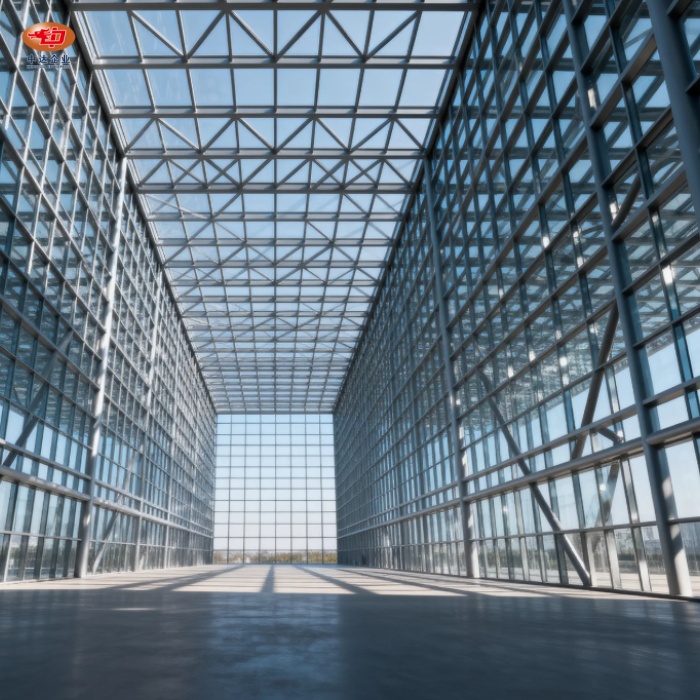
One important choice—using a steel structure stadium framework instead of traditional building methods—can turn giant sites into architectural masterpieces. Modern steel frameworks can span unmatched distances—up to 300 meters without the need for intermediate columns—and they cut building times by 40% compared to concrete options. This engineering method combines prefabricated accuracy with seismic resilience, which lets builders meet tight dates set by events while keeping the structure's integrity in winds over 200 km/h. Understanding these technical benefits is what sets successful mega-venue projects apart from ones that fail and go over budget.
Understanding Steel Structure Stadiums: Design, Benefits, and Engineering Principles
What Defines a Modern Steel Framework for Large Venues?
High-performance structural steel types with yield strengths of 355 MPa are used to build modern stadiums. These include Q355B and ASTM A572 Gr.50. These materials make it possible for cantilever designs to go over 50 meters, so viewers on all levels can see clearly. Steel's ductility lets it bend in a controlled way during extreme events, which keeps it from breaking in terrible ways that weak materials can't handle.
Core Engineering Principles That Drive Structural Integrity
Load-bearing estimates for stadium frames take into account the moving crowd, wind uplift forces, and loads on hanging equipment all at the same time. Moment-resisting links that meet AISC 360 standards are made by engineers using bolted end plates or welded beam-to-column joints. In fire safety systems, intumescent coatings are used. These coatings expand when they come in contact with heat, keeping the load capacity for two to three hours during situations. Our ISO 9001-certified factories use cutting-edge methods for manufacturing that keep deflection limits within span/400 ratios. This keeps the structures from moving while they are being used.


Key Advantages That Impact Procurement Decisions
Steel's natural qualities provide measured benefits throughout the entire span of a project. The material can be recycled over and over again, which meets LEED approval standards for environmentally friendly public buildings. Modular prefabrication speeds up construction by a huge amount. While standard concrete sites take 24 to 36 months to finish, our steel projects usually only take 12 to 18 months. This speeding up is very important for government contracts that depend on certain times for events.
This benefit has been seen in a number of projects. A new venue with a capacity of 75,000 people was finished six months early, even though it rained a lot. It used 8,500 tons of coated steel parts made in our 120,000 m² factory. The project showed how controlled workplace settings can get rid of the delays that come from bad weather that happen when concrete is poured on-site.
Cost economy for a steel structure stadium goes beyond the early stages of building. When steel buildings are properly covered, they don't need much upkeep. For example, hot-dip galvanizing according to ISO 1461 standards guarantees that coatings will last 20 to 25 years in normal conditions. When you consider shorter maintenance times and better thermal performance, the total cost of ownership is about 23% less than for concrete options.
From Concept to Completion: How Modern Steel Stadiums Are Built
Planning and Design Phase Using Advanced Digital Tools
Building Information Modeling (BIM) changes the way that building teams work together on big stadium projects. With this technology, we can find problems before they are built by checking for clashes between structural parts, mechanical systems, and design features. Our design teams send parametric models straight to CNC cutting machines, which lets them get ±0.2mm accuracy on ultra-thick plate parts—something that can't be done with hand drawing methods.
During the planning step, important buying paths are set up. To make the best use of our budget, we do thorough cost studies that compare different kinds of steel, link types, and coating systems. When choosing a supplier, it's important to make sure that every beam and column has test results that can be checked for chemical makeup and yield strength.
Prefabrication and Quality Control in Manufacturing Facilities
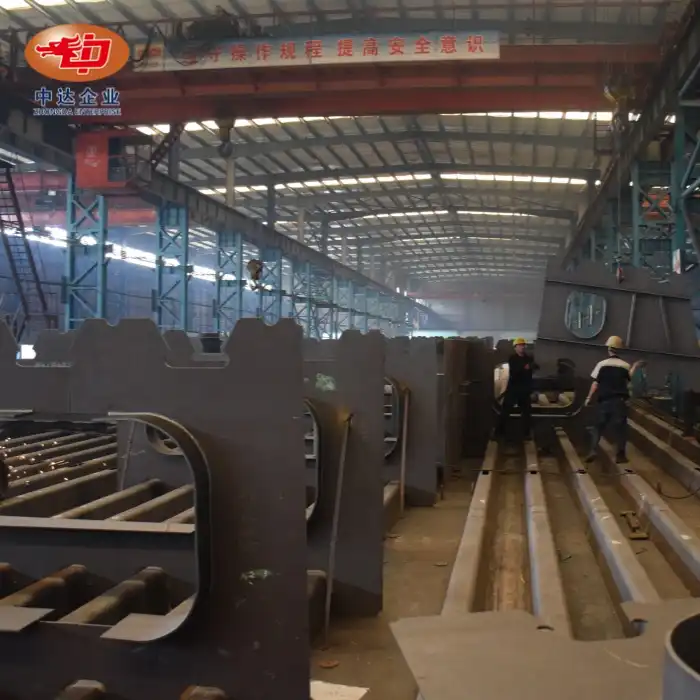
At our Shenyang plant, 100-ton bridge cranes are used to move huge truss assemblies between different stations where they are being made. At three stages, after cutting, after welding, and before shipping, components are inspected for their dimensions. This extra check finds deviations early, before they become so big that they need expensive field repairs.
The methods for welding are based on the AWS D1.1 structural rules, and only qualified welders use multi-pass techniques on moment connections. Ultrasonic testing checks the levels of weld penetration to make sure that joints get the full power of the material. Automated hot-dip galvanizing lines keep the zinc coating uniform across complicated geometries, which is important for stadium parts that are open to marine or industrial settings.
On-Site Assembly and Logistics Coordination
Transportation logistics organizes permits for oversized loads and route studies for parts that are bigger than the normal measurements for highways. Delivery plans work with available cranes and ready foundations to avoid demurrage charges from materials that aren't being used. Just-in-time delivery methods that match construction processes are used by our project managers to keep on-site storage footprints as small as possible.
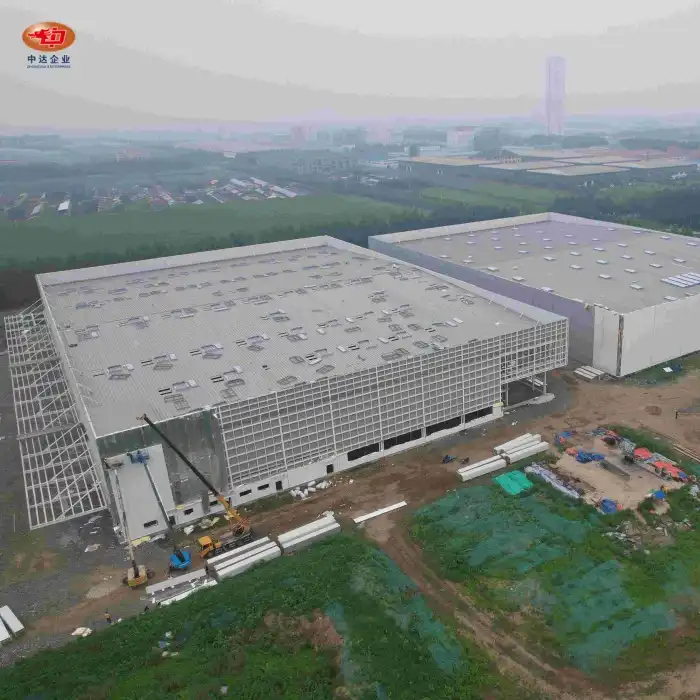
Bolted joints are most common in field assembly for a steel structure stadium because they are easier to check for quality than site welding. Using hydraulic strand jacks and climbing systems, erection teams put up pre-assembled truss pieces that weigh up to 45 tons. We were able to finish the main structure of a FIFA-certified venue with 50,000 seats in just 11 months using this method. This shows how organized prefabrication shortens the time it takes to complete big projects.
Advanced Solutions and Innovations in Steel Stadium Construction
Prefabrication Technologies That Enhance Quality and Speed
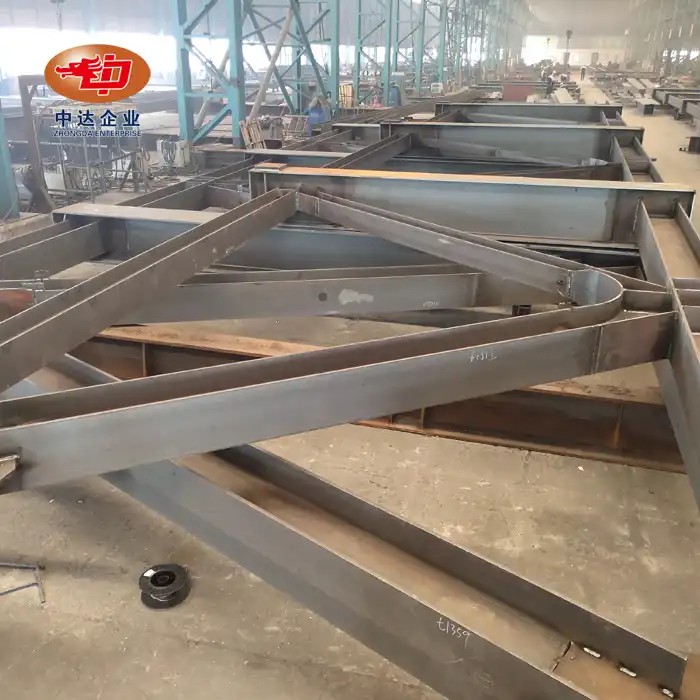
Precision in manufacturing decides how well something works in the field. Our factory makes box supports with diagonal stiffeners that stop local bowing when loads are concentrated. When these parts get to the job site, the connection plates have already been soldered and positioned to a 2 mm tolerance. This means that the construction teams can get the parts to be straight in minutes instead of hours of adjusting them.
Lifting lugs made for specific crane hook shapes are built into modular truss systems, which makes rigging easier. Paying attention to the mounting method cuts down on critical path times—we've seen 30% fewer work hours than with stick-built methods that involve putting together each member at height.
Digital Fabrication and BIM Integration Benefits
Parametric modeling connects the goals of the design directly to the tools used for making it. When builders change the shape of a roof to make it look better, our systems instantly make new cutting files and connection details. Version control mistakes that happen a lot in standard drawing-based processes can't happen with this responsiveness.
Physical disturbance is not the only way that clash recognition works. We model erection processes to find out where the crane's reach is limited and if temporary bracing is needed before it can be moved. Because of these virtual practices, there have been no more expensive changes to the engineering in the field, which usually take 8–12% of the budget for large, complicated projects.
Material Selection Strategies for Durability and Sustainability
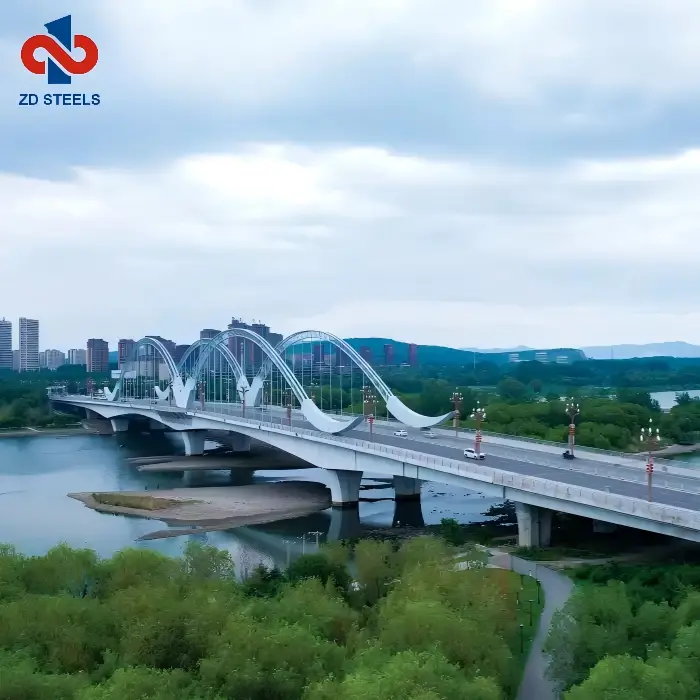
When choosing a steel type, you have to weigh the need for strength against the need to be able to weld. We use standardized S355J2 for links that need Charpy V-notch impact toughness at -20°C to keep them from breaking easily in cold places. Our -60°C Weathering Steel technology expands this range of performance for Arctic uses, as shown by bridge work in Russia's Far East.
More than 90% of modern structural steel is recycled, which lowers the amount of carbon that is contained in the material compared to making it from scratch. Whole stadium structures are taken apart after use so they can be moved or recycled, which is not possible with cast-in-place concrete and is part of the circular economy. This green image fits with the government's Green Public Procurement rules and cuts down on long-term damage to the environment.
Conclusion
When building a modern giant venue, engineers have to find ways to meet tight deadlines, stick to budgets, and meet performance standards. Steel structure stadium frameworks have measurable benefits at every stage of a project, from cutting costs by 23% over the life of the structure to cutting building times by 40%. The material's natural ability to bend offers seismic safety margins, and the accuracy of prefabrication makes quality control impossible with options that are cast on-site. As global events increase the need for flexible and long-lasting infrastructure, steel's ability to be recycled and expanded makes it the clear choice for buying pros who are looking to the future. Successful stadium projects don't just happen; they're planned out with careful choices of materials, excellent manufacturing, and tried-and-true planning methods.
FAQ
How does steel perform in fire situations compared to concrete?
Steel that isn't protected loses its strength at about 550°C, so fire safety measures are needed. When heated, the intumescent layers we use grow to 50 times their original thickness, making a protective char layer. This technology gets REI 120 fire ratings and keeps up its load capacity for two to three hours, which is long enough for everyone to leave and for the fire department to arrive. Cementitious spray systems are an alternative way to protect parts of structures that aren't as obvious, and they meet building codes in many countries around the world.
Can steel stadiums withstand earthquakes in high-risk zones?
Steel structure stadium systems are better for earthquake uses because steel is an isotropic material and can be bent easily. When extreme events happen, connections are designed to bend and stretch, releasing energy through controlled giving instead of breaking in a flimsy way. This behavior acts as a structural fuse, keeping the main parts safe while taking the forces of an earthquake. Our plans meet the requirements for earthquakes up to Mercalli scale VIII. This was proven by nonlinear time-history analysis, which is hard for concrete buildings to do in a cost-effective way.
What maintenance intervals do steel frameworks require?
Inspection plans are based on the level of external exposure. Standard urban settings (C3 corrosivity) need thorough checks every three to five years, focused on the state of the coating and the strength of the connections. High-performance fluorocarbon coats make maintenance rounds last longer than 20 to 25 years, so they don't need to be reapplied as often. Marine or industrial environments (C5-M classification) may need eye checks once a year and full exams every three years. If you choose the right covering at the start, you will have a lot less work to do over the years.
Partner with Zhongda for Your Next Stadium Steel Structure Project
Zhongda Steel has been skilled in building complex venues for 20 years and can produce 60,000 tons of steel every year. Our BIM-driven accuracy meets both EN 1090 and AISC standards at the same time. Our factory in Shenyang has 100-ton bridge cranes and can cut ultra-thick plates (±0.2mm accuracy), so your custom steel structure stadium parts will arrive ready to be put together quickly, whether you're building an arena with 5,000 seats for a community group or an Olympic venue with 100,000 seats. We've completed projects in both the Arctic and the tropics, winning the trust of China Railway, CSCEC, and other foreign clients who want quality that can be checked. Email our team at Ava@zd-steels.com to talk about how our experience as a steel structure stadium manufacturer can help you get things done faster and for less money overall.
References
American Institute of Steel Construction (AISC). Specification for Structural Steel Buildings (AISC 360-16). Chicago: AISC, 2016.
Bjorhovde, Reidar. Development and Use of High Performance Steel. Journal of Constructional Steel Research, Vol. 60, 2004, pp. 393-400.
Chen, Wai-Fah and Lui, Eric M. Handbook of Structural Engineering, Second Edition. Boca Raton: CRC Press, 2005.
European Committee for Standardization. Eurocode 3: Design of Steel Structures – Part 1-1: General Rules and Rules for Buildings (EN 1993-1-1). Brussels: CEN, 2005.
Mahin, Stephen A. Lessons from Damage to Steel Buildings during the Northridge Earthquake. Engineering Structures, Vol. 20, No. 4-6, 1998, pp. 261-270.
Sherbourne, A. Neil and Marsh, Colin. Large-Span Steel Roof Structures: Design and Construction Challenges. Canadian Journal of Civil Engineering, Vol. 28, 2001, pp. 1015-1028.
YOU MAY LIKE