Steel Stadium Structures for Schools & Sports Infrastructure
2026-04-20 08:39:13






Building long-lasting, low-cost sports centers with steel stadium platforms for schools and sports infrastructure is a big step forward. Modern designs for steel structure stadiums use strong materials like Q355B and ASTM A572 Gr.50, which give them better load-bearing ability and cut down on building times by 40% compared to old ways of doing things. More and more, schools and government companies are choosing structural steel solutions because they can be recycled, can withstand earthquakes, and can be easily adapted to different architectural needs, from community arenas to world-class competition sites.
Understanding Steel Structure Stadiums: Benefits and Design Principles
Modern sports centers are built on steel frameworks that are carefully crafted to push the limits of what is possible in sporting infrastructure. These systems are both technically advanced and useful in real-world situations, which helps building workers and facility planners deal with real problems.
Core Components of Modern Steel Frameworks
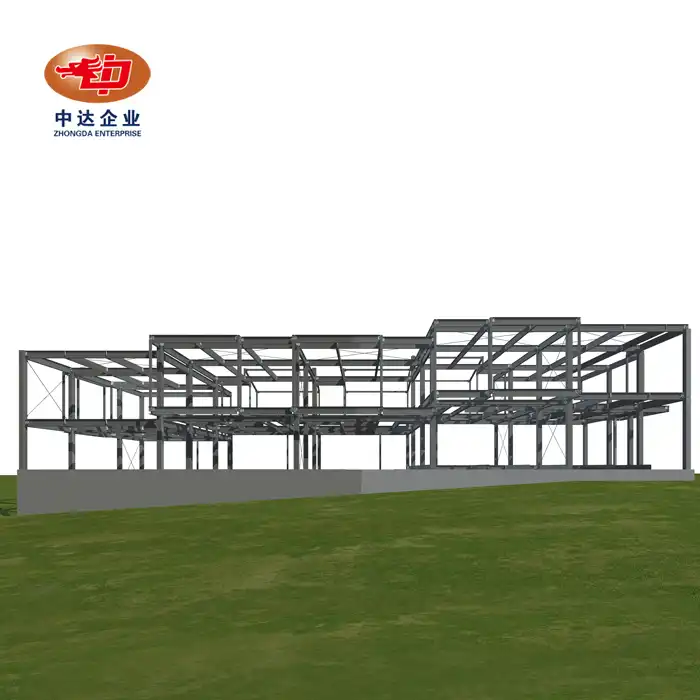
The basic structure of modern stadiums is made up of steel beams, supports, and truss systems. High-performance structural parts have yield strengths of more than 355 MPa, which lets them span up to 300 meters without any supports in the middle. Steel frames and modular roof pieces fit together perfectly, and the hot-dip galvanized joints make sure they last in all kinds of weather. Modern factories with 100-ton bridge cranes can make parts with precise specs of just ±0.2mm, which is important for making sure that public gathering buildings are structurally sound. Because these parts are flexible, they can be put together in stages that don't affect how the school is normally run while they are being installed.
These technical skills have direct benefits in the real world. Schools can keep running normally while work is going on, and the precision-engineered links cut the need for on-site welding by 60%, which greatly speeds up project timelines.


Structural Advantages Over Traditional Construction
Steel's higher strength-to-weight ratio changes the needs for foundations and the practicalities of building. Prefabricated steel systems come ready to be put together, while concrete buildings need a lot of work to be done on the ground and time to cure. Because structural steel is ductile, it naturally resists earthquakes. During an earthquake, it can bend in a controlled way instead of breaking in a catastrophic way. These buildings can stand up to wind speeds of up to 200 km/h, which makes them useful in seaside areas and tornado-prone areas where other materials would fail. Thermal expansion joints and sliding bearings can handle changes in temperature without causing stress cracks. This keeps the structure stable as the seasons change.
These traits are especially helpful for projects that need to be done in difficult settings. Coastal schools that have to deal with salt spray and northern schools that have to deal with freeze-thaw cycles depend on steel's built-in strength to keep safety standards high over many years of use.
Sustainability Credentials That Meet Modern Standards
Steel frames are good for the environment and meet the standards for Green Public Procurement and the LEED certification paths. Because steel can be recycled 90% of the time, buildings that are no longer needed go back into the supply chain instead of ending up in a dump. As more companies use electric arc furnaces driven by green energy sources, the amount of energy used to make steel keeps going down. Adding rainwater collection systems to steel roofs cuts down on flood flow and gives you non-potable water for your plants. Solar-ready frames can hold photovoltaic panels without adding extra support to the structure. This lets institutions lower their energy costs by producing energy on-site. Because they don't need as much of a base, they use 30% less concrete and 30% less excavation than similar concrete buildings.
These features of sustainability meet more stringent rules and show that the institution cares about the environment, both of which are becoming more and more important in public sector buying choices.
Key Considerations When Building a Steel Structure Stadium
For steel structure stadium projects to be successful, they need to be carefully planned so that they take into account technical requirements, budgetary limitations, and long-term operating needs. Figuring out these things early on keeps changes from being too expensive and makes sure that the designs provided meet the needs of all stakeholders.
Material Selection and Supplier Qualification
Picking the right steel types sets the performance standard for the whole job. The grades Q355B, C, and D are great for welding and are tough at low temperatures, so they can be used in most situations. The grade S355JR is better for areas that are likely to be hit by earthquakes. When evaluating suppliers, the most important things should be ISO 9001 certification, EN 1090 compliance, and provable project portfolios that show knowledge with sports infrastructure. Mill test papers that show the chemical make-up and mechanical properties of the product make sure that it can be tracked all the way through the supply chain. Corrosion protection standards need to meet the climate, with C3 classifications for places in the middle of nowhere and C5-M marine-grade treatments for sites on the coast. Working with companies that offer BIM-driven design integration makes it easier for architects and structural engineers to work together.
You can't say enough about the link between the quality of a material and how well it works over its whole life. Higher-quality steel grades may cost more at first, but they save money in the long run by needing less upkeep and lasting longer—often over 75 years with the right protection measures.
Budget Optimization Strategies
Cost factors in steel structure stadium projects include more than just the price of the raw materials. They also include how hard the construction is, how easy it is to move, and how well it is put together on-site. Standardized connection details cut down on engineering hours and production time, and modular bay space lets you make the same thing over and over again, which lowers the cost per unit. Transportation costs go up as the size of the part goes up, so using area production sites for projects that need deliveries often is a good economic move. As the weight of a structure goes down, so do the prices of the foundation. This saves money across the whole budget for site work. Lifecycle cost analysis shows that steel is more competitive than concrete because it has 23% lower total ownership costs when upkeep, energy efficiency, and the ability to be renovated later on are all taken into account.
These financial factors affect how buying plans are made. Getting suppliers involved early on in the planning process helps find opportunities for value engineering before the standards are set in stone. This keeps the budget flexible so that better features can be added that make the facility more useful.
Structural Resilience and Safety Performance
While keeping people safe, athletic spaces must be able to handle dynamic loads from crowd movement, equipment placements, and environmental forces. Steel's ability to bend gives it important safety gaps during extreme events, as it releases seismic energy through controlled yielding instead of rapid failure. Intumescent coatings used in fire protection systems grow when exposed to heat, keeping steel sections insulated so they can keep their load-bearing ability for REI 120 ratings or higher. Every three to five years in normal settings, connections should be checked for damage, coatings should be checked for wear, and any signs of tiredness should be looked for in high-stress areas. IoT sensors built into structural health tracking systems give real-time information on deflections, vibrations, and weather conditions. This lets maintenance professionals plan ahead and stop small problems from getting worse and needing expensive fixes.
These safety steps for a steel structure stadium work well with the way steel is naturally made. Because the material is consistent and behaves predictably under stress, engineers can plan for the worst-case scenarios. This gives site managers and risk managers measurable safety guarantees that support insurance premiums and liability concerns.
Procurement Guide: How to Source Quality Steel Structure Stadium Components and Services?
To choose a good provider, you need to carefully look at their professional skills, quality systems, and service delivery models to make sure they meet the needs of the project and your level of comfort with risk.
Evaluating Fabricator Qualifications
Certifications are a basic way to make sure that quality control methods and professional skills are working well. ISO 9001 approval shows that there are written procedures for reviewing designs, keeping an eye on production, and handling problems that don't meet standards. Conformity to EN 1090 standards for structural steel fabrication includes following the right way to weld, being able to track materials, and keeping an eye on plant production. AISC licensing checks skills against North American standards, which makes it easier for U.S. projects to meet specifications. In addition to certifications, a fabricator's catalog shows relevant experience. Look at finished projects of similar size, complexity, and building type to see if they can meet your particular needs. Site visits to manufacturing sites give you a better idea of the skills of the workers, the quality control processes, and the tools than just looking at licenses.
Leading makers have sports infrastructure sections with specialized engineering teams that know how to deal with the unique loading conditions, span requirements, and aesthetic concerns that make stadium projects different from commercial or industrial buildings. This specialization means that the planning process goes more smoothly and there are fewer coordination problems during building.
Turnkey Solutions Versus Component Supply
Buying tactics include buying pre-made parts that will be put together by a contractor or hiring turnkey companies that will plan, build, deliver, and set up the whole thing. Component supply models work best for general contractors who have experience putting up steel structure stadiums and like to keep direct control over building plans. With a turnkey method, all of the duty is put under one contract. This makes coordination easier and makes it clear who is responsible for keeping performance promises. Design-build delivery methods use the knowledge of the fabricator during the basic design phase. This allows value engineering to improve the use of materials and the order of building before the final drawings are made. Standardized designs that have been shown to work well are included in prefabricated stadium kits. This cuts down on planning costs and lead times for simple projects that don't need a lot of customization.
The best way to do something relies on how complicated the job is, what the owner can do, and how they like to share risk. Traditional design-bid-build procurement is often preferred for public sector projects because it is clear and offers reasonable prices. On the other hand, private companies may choose design-build models that shorten timelines and combine guarantees.
Supply Chain Integration and Risk Management
Steel structure stadium projects involve more than just the main fabricator. Connection hardware, coating applicators, shipping logistics, and erection workers are just a few of the specialty providers that can make planning difficult. Integrated service providers that offer complete solutions make interfaces easier to use and make handling multiple contracts easier. Early involvement of suppliers during preconstruction allows for reasonable timing, accurate cost estimates, and the discovery of long-lead items that need to be ordered ahead of time. Changes in currency and transportation costs are part of global supply lines. Escalation clauses or hedging methods should be used in fixed-price contracts to deal with these issues. Domestic fabrication sites, such as Zhongda's 120,000 m² manufacturing base in Shenyang, have benefits for the supply chain. These include shorter lead times, lower shipping costs, and direct contact lines that make it easier to coordinate technical tasks and solve problems more quickly.
These things about the supply chain have a direct effect on the risk levels of projects. When you choose established manufacturers with thorough quality systems and track records of on-time deliveries, you reduce the risk of project delays, cost overruns, and poor performance that often happen when you use unqualified suppliers who are just looking for the lowest price.
Conclusion
Steel structure stadiums deliver compelling advantages for schools and sports infrastructure developers seeking durable, adaptable facilities that balance performance with fiscal responsibility. High-strength structural steel has better load-bearing capacity, seismic resistance, and dimensional stability. These technical qualities, along with shorter building times and lower operational costs, make steel the best material for modern sports arenas. Sustainable qualities, such as being 90% recyclable and able to work with green energy systems, meet environmental requirements while cutting down on costs. As modular building methods improve and digital integration makes site management better, steel frameworks will continue to be the most popular choice for sports infrastructure projects that need to be reliable, flexible, and keep their value over time.
FAQ
What fire protection measures apply to steel stadium structures?
At high temperatures, unprotected structural steel loses strength, which is a problem during fires. Intumescent coatings work well to keep steel safe because when they come into contact with heat, they expand and form a protective char layer that keeps steel temperatures below critical levels for two to three hours. Cementitious spray treatments are another way to protect structural parts that aren't as easy to see. With these methods, steel structure stadiums can get fire resistance values of up to 120 minutes, which is what the building code requires for large assembly areas.
How do steel stadiums perform during earthquakes?
The flexibility of steel makes it better for building in earthquake zones than weak concrete. During earthquakes, well-designed links bend and stretch in a controlled way, which releases seismic energy while keeping the structure's total strength. This fuse-like behavior keeps structures from falling apart completely, so steel structure stadiums can protect people even when they get damaged and need to be fixed after the event. When compared to other materials, steel has better properties that are clearly recognized by seismic design rules, which lower the design factors.
Can existing steel stadiums be expanded later?
One of the best things about steel structure stadiums is that it can be expanded. Bolted connection systems make it easy to add extra seats, roof extensions, or facilities without causing too much damage to the buildings that are already there. This adaptability protects long-term capital value by letting buildings grow with the needs of the school instead of needing to be replaced. Before they can be expanded, concrete buildings usually need to be torn down in large parts, which costs more and causes more problems with operations.
Partner with Zhongda for Your Next Sports Infrastructure Project
Zhongda Steel brings two decades of specialized experience to educational and community sports facilities requiring precision-engineered solutions. Our ISO 9001-certified manufacturing facility employs 100-ton bridge cranes and ultra-thick plate cutting technology maintaining ±0.2mm tolerances, ensuring components arrive ready for seamless assembly. As a trusted steel structure stadium supplier, we deliver customized designs from 5,000-seat community venues to world-class competition facilities, all backed by comprehensive technical support from concept through commissioning. Contact our team at Ava@zd-steels.com to discuss your project requirements and discover how our prefabrication expertise can accelerate your timeline while meeting rigorous quality standards. Visit zd-steels.com to explore our portfolio and request detailed specifications.
References
American Institute of Steel Construction. (2016). Specification for Structural Steel Buildings (AISC 360-16). Chicago: AISC.
Chen, W.F., & Lui, E.M. (2005). Handbook of Structural Engineering (2nd Edition). Boca Raton: CRC Press.
Lawson, R.M., & Ogden, R.G. (2008). Sustainable Steel Construction. Journal of Constructional Steel Research, 64(11), 1167-1178.
Memari, A.M., & Kremer, P.A. (2013). Steel Structures in Seismic Regions: Design Considerations and Applications. Reston: American Society of Civil Engineers.
Trebilcock, P., & Lawson, R.M. (2004). Architectural Design in Steel. London: Spon Press.
Zhou, F. (2017). Large-Span Steel Structures: Design, Fabrication, and Construction Management. Singapore: Springer Nature.
YOU MAY LIKE
_副本_1762409363712_1788849278749.jpg "steel truss structure")
_1754027396028.png "Steel Stair Treads")