
How We Design Steel Structures for Stadiums and Arenas?
2026-04-17 08:57:34






When designing a steel structure stadium, you need to think about the safety of the spectators, the stability of the structure, and how long it will last. We use advanced engineering methods and exact manufacturing methods to build sports arenas that can span long distances without needing any columns in the middle. Our design theory puts an emphasis on flexibility, earthquake resistance, and shortening the time it takes to build. We use high-strength steel types like Q355B and ASTM A992 to get strength-to-weight ratios that concrete buildings can't match. This gives architects more freedom while still following strict AISC and EN 1090 standards for global project compatibility.
Understanding the Fundamentals of Steel Structure Stadium Design
When building a modern sports venue, you need elements that are both effective and durable. Steel has become the best material for large-span buildings because it can handle important problems that other materials have trouble with.
Why Steel Outperforms Traditional Materials?
Heavy stadiums made of concrete need expensive, deep supports because they carry too much dead weight, especially in places with bad soil. Because steel is lighter, base costs can be cut by up to 30%, and it has better tensile strength. Because the material is naturally flexible, buildings can absorb seismic energy without breaking in terrible ways. This makes it important for projects in areas that are prone to earthquakes. Unlike wood, steel doesn't change size when the temperature or humidity changes, so you don't have to worry about it splitting or rotting. Even though aluminum is light, it can't hold the weight of heavy roof systems and equipment that is hung from the ceiling.


Core Components of Modern Steel Stadiums
Every good place depends on its structural parts working together well. H-beams and box columns are common in primary frames; they send vertical loads to foundation systems. To get clear spans longer than 200 meters, roof structures use space frame beams or cable-stayed systems. Purlins, girts, and bracing systems are examples of secondary parts that keep the structure stable against wind forces. Connection nodes are important parts of the design where accurate production determines how well the structure works. Our 120,000-square-meter building has 100-ton bridge cranes that help us make sure the parts are in the right place during construction.
Compliance with International Safety Standards
Procurement teams need proof that building rules in the area are being followed. We use ASCE 7 load estimates for wind and seismic forces in our planning process to make sure that structures can stand up to bad weather. One way to protect against fire is to use intumescent coats, which get REI 120 fire resistance scores when they expand when heated. Corrosion protection systems follow the rules for hot-dip galvanizing set out in ISO 1461. The thickness of the zinc covering is checked using non-destructive tests. Mill test papers that prove the chemical make-up and mechanical properties of the steel meet the requirements for structural steel keep track of the materials.
Our Systematic Approach to Designing Steel Structures for Stadiums
Building a great sports venue means dealing with tough building problems while working within tight budgets and tight deadlines. We've made our method better over the years by working on projects in a wide range of climates and governing settings.
Initial Site Analysis and Load Assessment
Conditions at the site determine the design factors. We do geotechnical studies to find out how much weight something can hold and how it settles, which directly affects how the base is designed. Design wind pressures for open roof parts are set by testing them in a wind lab or using computational fluid dynamics analysis. Snow load estimates take into account how snow builds up on roofs with complicated shapes. Instead of using general code values, site-specific reaction spectra are used to set seismic design parameters. This thorough analysis at the beginning keeps expensive redesigns from happening during building and makes sure that the structure will last for the whole life of the venue.
BIM-Driven Design Integration
Building Information Modeling for a steel structure stadium changes how we work together to meet the needs of many different design fields. The engineers on our team make three-dimensional models that include building finishes, structural steel, mechanical systems, and electrical lines. Before manufacturing starts, clash detection algorithms find interferences. This gets rid of field conflicts that slow down building. The parametric modeling environment lets you quickly compare different design options, which helps buying teams figure out how different span setups or roof profiles affect costs. We send fabrication data straight to CNC cutting tools, which gives us the accuracy we need for field fit-up tolerances of less than two millimeters.
Modular Prefabrication Strategy
Putting together complicated structures into pieces that can be moved around speeds up the building process by a lot. We create connection features that make bolted field assembly easier instead of site welding, which depends on the weather and needs a lot of quality control. Prior to shipping, modules are put together in our plant to make sure they fit correctly. This way, there are no mistakes when they are put together. With this method, a recent job with a 75,000-seat capacity was able to finish putting up the skeletal steel in just eight months. The modular approach also allows for future growth, as clients can add seating areas or other perks without changing the way buildings are set up.
Climate-Specific Engineering Solutions
Customized safety devices are needed because of the environment. Coastal areas need marine-grade rust protection, which can be provided by duplex painting systems that use both galvanizing and epoxy topcoats. Our -60°C weathering steel technology is used in Arctic projects to make sure that materials stay tough even at very low temperatures. Thermal expansion can be a problem in desert settings, but expansion joints and bearing systems that allow for movement can help. In tropical areas with a lot of humidity, better ventilation methods are used inside structure spaces to stop corrosion caused by condensation. These options are better for different climates, so they last longer and need less upkeep.
The Steel Structure Stadium Construction Process: From Planning to Installation
For a project to be completed successfully, the planning, manufacturing, logistics, and assembly stages must all work together without any problems. Our vertically integrated method makes sure that quality is controlled at every step of the way and that the plan stays stable.
Customized Engineering and Shop Drawing Development
Detailed engineering turns hypothetical designs into documents that can be used to make the design. Shop plans show every link detail, weld requirement, and bolt size that is needed to make something. On important links, we use finite element analysis to check load paths and stress patterns. During drawing review rounds, client engineering teams make sure that the drawings are in line with the needs of the project. Buying materials doesn't start until the shop plan is approved. This keeps loss from design changes. Our 60,000-ton yearly production capacity makes sure that we are always available, even if project plans need to be sped up.
Quality-Controlled Fabrication Process
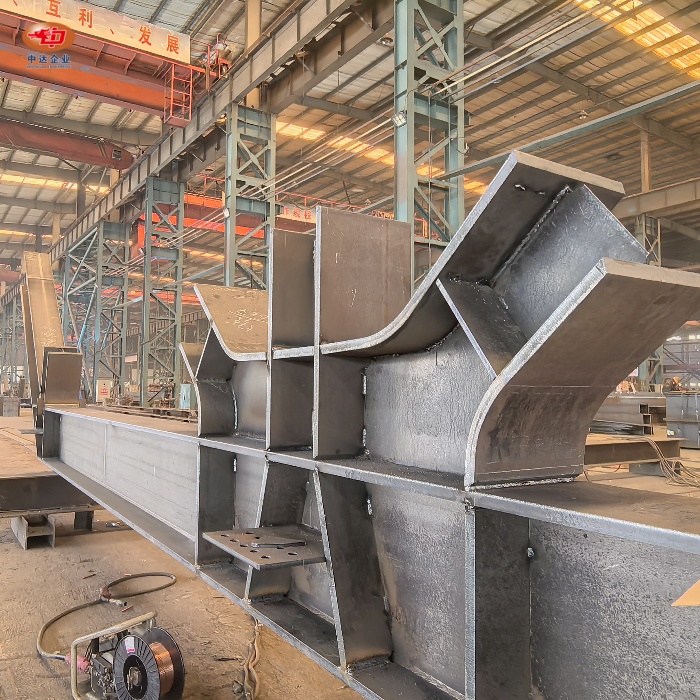
Precision in manufacturing affects how well a system works in the field. Ultrasonic testing is done on raw steel plates to find internal laminations that could affect the quality of the weld. Edge preparation with CNC laser cutting is accurate to within 0.2 millimeters, which ensures a good fit during welding. Automated welding methods keep the heat input and entry depth constant, and occasional ultrasonic testing is used along with eye inspection to make sure everything is correct. Post-weld heat treatment lowers the stress that's still there in thick-section joints. Laser scanning is used for final dimensional checking to match the as-built geometry to the design models. This finds any differences before the goods are shipped.
Logistics Coordination and Site Delivery
Planning for transportation of a steel structure stadium includes things like weight limits, route clearances, and the order of deliveries. Members who are too big may need special permission and cars to transport them. We work with erection contractors to make sure that the availability of cranes fits the arrival dates of materials. This keeps us from having to pay expensive demurrage fees. Members are grouped together and labeled based on the order of erections, which makes site organization easier. Real-time tracking of shipments lets project teams change their plans before delays happen. Because we've exported to 43 countries before, we know how to follow the rules for foreign shipping documents and customs.
Erection and Assembly Procedures
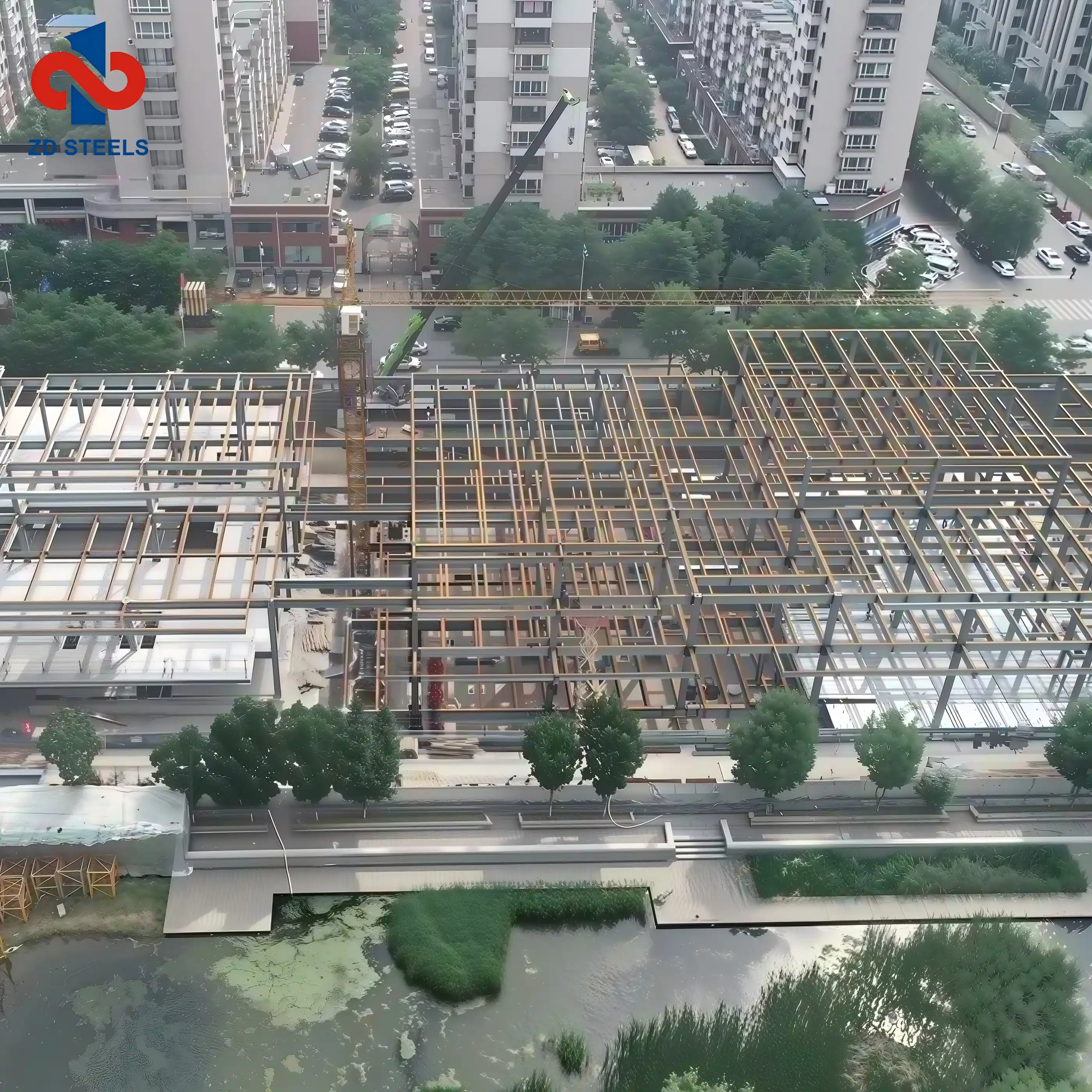
Safety and speed in field installations rely on careful planning. At every step of building, erection sequences are planned to keep the structure stable, and temporary bracing is made to withstand the loads of construction. The lifting radii and member weights are used to check the crane's capabilities and boom designs. To get the right preload forces for bolted joints, certified torque tools or tension-indicating devices are used. As buildings rise vertically, survey control keeps the line within a certain range. Protocols for watching the weather stop work when there are high winds that could hurt people or damage things. Installation teams usually finish putting up 500 tons of steel every week when conditions are good.
Post-Construction Maintenance Protocols
For something to last a long time, it needs care after it was built. We give our clients care guides that tell them how often to check the links, coatings, and drainage systems. Every two years, magnetic particle tests or dye penetrant methods are used to look for fatigue cracks in high-stress places. Adhesion tests and thickness scales are used to check the state of the coating, and touch-ups are done before the coating wears away and shows the base metal. To keep working properly, expansion bearings need to be cleaned and oiled on a regular basis. With these upkeep steps and our long-lasting galvanized finishes, places have been open for decades with little help.
Innovations and Trends Shaping the Future of Steel Structure Stadiums
Design methods and building tools are always getting better because industries change. Keeping up with these trends will give you a competitive edge and help your project succeed.
Sustainable Design and Green Certifications
Environmental laws change the rules for a steel structure stadium. More and more clients want LEED Gold or Platinum certification, which means they want energy models and material openness. Environmental Product Declarations on our steel goods tell you how much embodied carbon they contain, which lets you do accurate lifetime studies. Integrated photovoltaic roof systems take advantage of the large areas of stadiums and are built to handle the weight of solar panels. Rainwater harvesting systems catch water that runs off of steel roofs, which lowers the amount of water that cities need to use for watering gardens. By using computational fluid dynamics to find the best places for openings, natural airflow techniques reduce the load on HVAC systems. These green features improve how people see the building while also lowering its long-term operating costs.
Smart Technology Integration
The way places work has changed because of digital connection. Dense sensor networks that watch over crowd movement, weather conditions, and the health of structures are now built into structural designs. Fiber optic strain gauges built into key members give real-time information on stress levels, which makes forecast maintenance possible. Structure monitors work with building management systems to change the lights and HVAC based on when people are in the building. Our BIM models create digital twins that property managers use to plan renovations and figure out what to do in a disaster throughout the lifecycle of a building. This smart technology makes modern places stand out, and it can help businesses make more money by giving fans better experiences.
Modular and Adaptable Design Philosophy
In unstable markets, long-term value is highest when people are flexible. Using modular seating areas lets you change the number of seats depending on the season or event, which lowers costs and maximizes efficiency. With retractable roof systems, the building can be used for programming all year long, which brings in more money. Different sports and entertainment forms can be played on fields that can be moved around. We build growth plans into the first buildings, including foundations and connection points for future additions. Concerns about "white elephants" are eased by the ability to convert Olympic sites into community sports centers after the games are over. This protects taxpayer investments. This flexibility needs complex planning, but it gives a better return on investment over the life of the building.
Advanced Materials and Fabrication Techniques
New developments in material science make things work better. High-performance steels can reach 460 MPa yield strength, which means that members can be made smaller and lighter. When steel is exposed to the right conditions, weathering creates stable metal patinas that remove the need to maintain coatings. Hybrid systems make the best use of materials by combining the tensile strength of steel with the compression resistance of concrete. Robotic welding boosts output while ensuring consistent quality. Using additive manufacturing, you can make complicated link pieces that you couldn't make any other way. We are always looking at these new ideas and only use technologies that give our clients real benefits in terms of cost, performance, or schedule.
Conclusion
To build a steel structure stadium well, you need to know a lot about structure engineering, making sure that things are made correctly, and managing the construction process. Our method combines these fields by using BIM to coordinate work, climate-specific details, and quality-controlled production. Because steel is faster, stronger, and lasts longer, it is the best material for current sports places. Procurement teams lower risk while achieving design vision by working with experienced makers who have ISO certifications and a track record of completed projects. The methods described here are the best in the business and have been developed over many years of delivering projects around the world. When these concepts are used to build a venue, it can stand up to harsh conditions, meet safety standards, and serve the community for generations.
FAQ
What is the typical timeline for designing and constructing a steel structure stadium?
It usually takes six to nine months to build a design, which includes engineering research, getting permits, and making shop drawings. It takes four to six months to make structural steel, based on how complicated the job is and how many tons it has. Most places finish setting up their sites between eight and fourteen months. The whole project usually takes eighteen to twenty-four months, from idea to occupation. This is about forty percent faster than similar concrete building. Through design-build delivery and combining manufacturing with site preparation work, faster plans can be reached.
How do steel stadiums perform in extreme weather conditions?
From the cold of the Arctic to the heat of the desert, structural steel keeps its dynamic qualities. Our -60°C weathering steel technology makes sure that the steel can be bent in the harshest northern climes. The wind resistance is achieved by forming the roof in an aerodynamic way and making sure the connections are strong, which has been tested in a wind lab. Steel's flexibility helps its seismic performance by letting energy escape through controlled giving. Corrosion protection methods are made to fit the area. For example, marine-grade coatings are used on the coast, while standard galvanizing is used in milder regions. With the right planning and safety measures, steel venues can work effectively almost anywhere in the world.
What factors most significantly influence project costs?
Material costs are determined by structural mass, which is affected by span lengths and the complexity of the architecture. The budget for site work is affected by the conditions of the foundations. For example, bad soils need deep systems. Transportation costs depend on where the job is located and how easy it is to get to. Erection gets harder as the height and number of connections go up. The coating specs affect both the cost of installation and the upkeep that needs to be done over time. Value engineering during design can make these things work better without lowering speed, which shows how important it is to work with skilled engineers.
Partner with Zhongda for Your Next Stadium Project
Precision engineering and excellent production are how Zhongda builds world-class sports sites. We are a steel structure stadium maker that is ISO 9001/14001/OHSAS 45001 approved. We've finished projects on six countries for clients like China Railway, CSCEC, and foreign developers. Our Shenyang plant is 120,000 square meters and has 100-ton bridge cranes and high-tech manufacturing tools that can make customized stadium parts with 0.2-millimeter cutting accuracy. Whether you're planning a community center with 5,000 seats or a mega-venue with 100,000 seats, our team can help with engineering from the initial idea to the final approval. Get in touch with our experts at Ava@zd-steels.com to talk about the needs of your project and get full technical offers. You can look at our portfolio of finished stadiums at zd-steels.com and learn how our experience can help you bring your idea from paper to reality faster.
References
American Institute of Steel Construction. (2016). Specification for Structural Steel Buildings (AISC 360-16). Chicago: AISC.
Chen, W.F. & Lui, E.M. (2018). Handbook of Structural Engineering, Second Edition. Boca Raton: CRC Press.
European Committee for Standardization. (2005). Eurocode 3: Design of Steel Structures - Part 1-1: General Rules and Rules for Buildings (EN 1993-1-1). Brussels: CEN.
Kulak, G.L., Fisher, J.W. & Struik, J.H.A. (2001). Guide to Design Criteria for Bolted and Riveted Joints, Second Edition. Chicago: American Institute of Steel Construction.
Sadek, F., Mohraz, B. & Riley, M.A. (2020). Seismic Design of Steel Special Moment Frames: A Guide for Practicing Engineers. Gaithersburg: National Institute of Standards and Technology.
Trahair, N.S., Bradford, M.A., Nethercot, D.A. & Gardner, L. (2017). The Behaviour and Design of Steel Structures to EC3, Fifth Edition. Boca Raton: CRC Press.
YOU MAY LIKE
_副本_1755847812558.jpg "building steel structure")
_1746242570299.webp "Large-Diameter Tunnel Boring Machine")