How Zhongda Customizes Breeding Shed for Different Climates
2026-08-05 16:18:50






Zhongda customizes breeding sheds by doing a full climate study of the project site and adding special structure elements that are made to handle extreme temperatures, changes in humidity, and weather problems. Our engineering team changes the thickness of the insulation, the way airflow is set up, and the corrosion-resistant steel parts to make sure the animals are comfortable and the structure lasts a long time. This method adapts to the climate and improves animal health while also extending the life of your facility, whether you work in the Arctic or the tropics.
Understanding Climate Challenges in Agricultural Infrastructure
Changes in the climate are very dangerous for farm buildings that house valuable animals and tools. Extreme temperatures can be bad for animals' health, putting them at risk of heat stress in warm places or freezing in cold places. It takes longer for metal parts to rust in places with a lot of humidity, and condensation can cause bugs to grow and animals to have breathing problems. Poor airflow makes these issues worse by trapping harmful gases like ammonia and not keeping the inside temperatures stable.
The Impact of Cold Climate Conditions
When it's freezing outside, structures have to meet special needs. Extreme cold makes metal shrink, which puts stress on connection points and could lead to material failure over time. Animals need safe surroundings to stay productive, but heating costs can get too high if you don't know how to insulate properly. Our -60°C Weathering Steel Anti-corrosion Technology directly addresses these problems and has been shown to work in Russian Arctic bridge projects where resistance to extreme cold was a must.
Hot and Humid Environment Challenges
Concerns are different in warm and subtropical areas. Too much heat makes building materials expand, and it makes the environment uncomfortable for animals. When mixed with high humidity, these conditions make steel surfaces that aren't covered rust faster. On the inside, condensation forms, making "shed rain" that harms stored food and tools and encourages mold growth. In these conditions, controlling the temperature is just as important as controlling the wetness.
Temperate Region Considerations
Even mild areas can be hard to plan for because of changes in seasonal temperatures and patterns of rainfall. Agricultural buildings need to be able to handle the heat of the summer and keep animals safe in the winter. To do this, you need air systems that can be adjusted and temperature performance that is balanced so that the building doesn't get too hot in the summer and too cold in the winter.
Core Components of Climate-Adapted Steel Structures
Zhongda's customization process is based on changing important structure parts to fit the needs of each region. Our method is based on 18 years of working on a wide range of projects around the world, from supporting mining equipment in Australia to building industrial hubs in Vietnam's humid, tropical environment.
Strategic Material Selection
Choosing the right materials for breeding sheds is the first step in making designs that work with changing climates. For structural parts, we mostly use Q235 and Q345 grade steel, which we chose because they have the best mix of strength, weldability, and temperature protection. These types of high-tensile steel keep their structure strong at temperatures ranging from -60°C to 50°C, making them reliable in harsh conditions. Surface treatments are different depending on the climate zone. For example, our Aluminum-Zinc alloy coats (AZ150 to AZ275) are better at resisting rust in humid coastal areas, while specialized paint systems add extra layers of protection in industry settings where chemicals could be present.
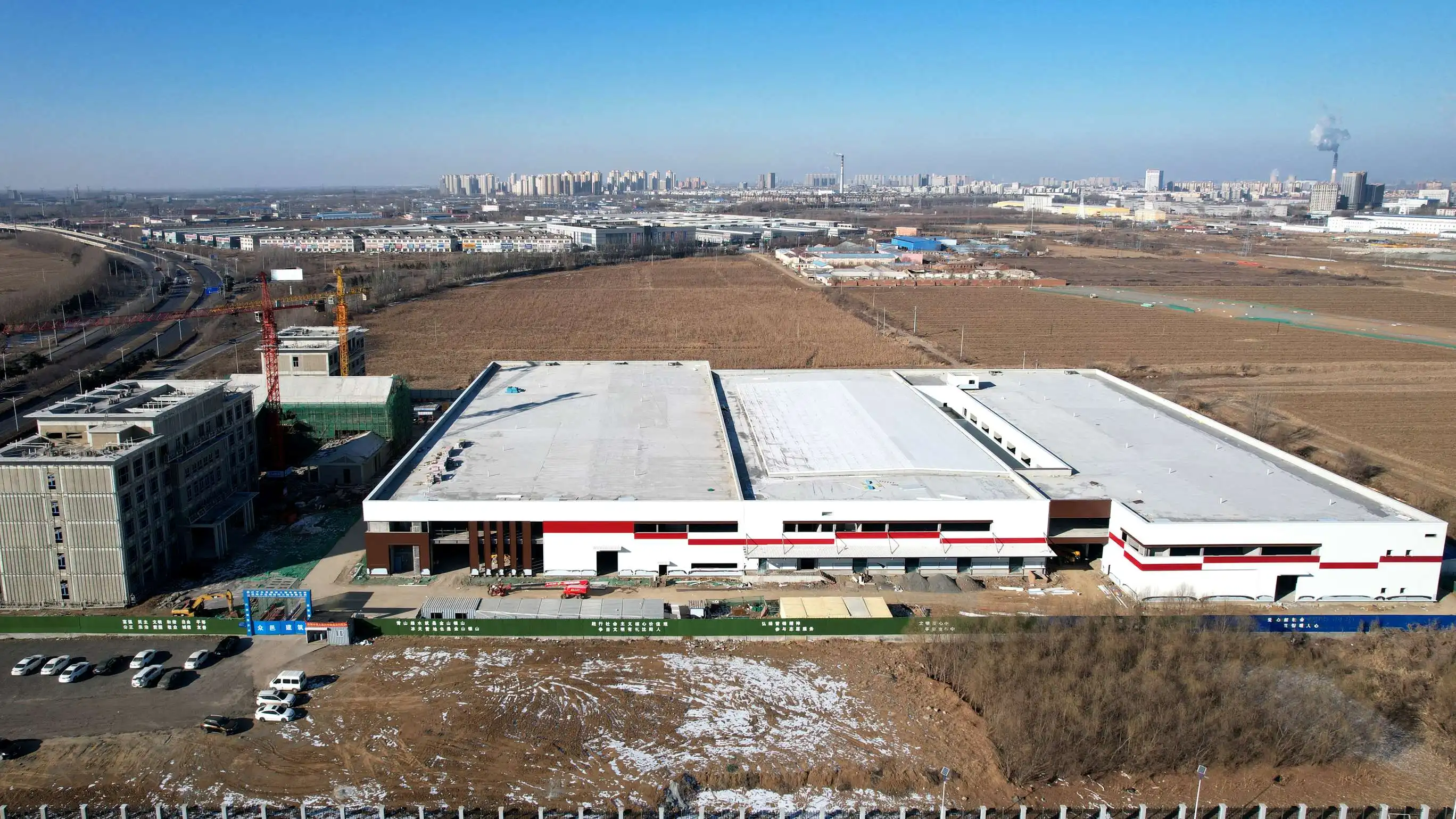
When it comes to roof trusses, we can design lengths from 10 to 40 feet and pitch angles that can be changed. Standard 2/12 pitch setups work well for most uses, but we change these settings based on the snow load and draining needs in the area. Whether you choose bolt connections or soldered joints depends on how easy they are to maintain and how much space you might need in the future. Bolted systems are easy to change and install, while welded setups make structures more rigid in areas with a lot of wind.
Advanced Ventilation Engineering
Temperature control systems may be the most climate-specific place where you can make changes. Our plans include a number of different air methods that are suited to the area. Through carefully placed roof vents and sidewall holes, natural ventilation systems take advantage of heat buoyancy and the direction of the wind. When the weather is mild and the air moves around regularly, this quiet method works really well.
In harsh areas, mechanical airflow is a must. We use exhaust fans with varying speeds that are controlled by temperature and humidity monitors. This makes systems that are responsive and keep the inside at the best temperature and humidity automatically. Evaporative cooling pads are often used at air intake places in hot climate sites. These pads lower the temperature of the incoming air by evaporating water. Designs for cold climates use solar heating systems or forced-air units with zone controls to keep the animals warm where they belong while keeping the storage areas cooler.
Computational fluid dynamics research is used to decide where to put ventilation openings so that air flows evenly throughout the building. This stops dead zones where air doesn't move and gets rid of drafts that make animals nervous. Our BIM-driven prefabrication method lets us digitally model airflow patterns before we start making things, which makes sure they work perfectly when they are installed.
Thermal Performance Optimization
Insulation methods are very different depending on the temperature zone. In cold areas, projects may use composite sandwich panels with polyurethane foam bases that have R-values higher than 30. These panels act as a thermal shield, which lowers the cost of heating. These panels fit right into our steel frame systems, making insulation that doesn't break up or cause thermal bridges that would lower efficiency.
Buildings in hot climates can use covering systems that bounce light back into space before it can heat the building's exterior. We use special paints that reflect a lot of light, and sometimes we put thermal shields under the roofing materials to make the job even better. Compared to standard metal roofing, this multi-layer method can lower the temperature of the roof's surface by 20 to 30°C, which greatly reduces the need for cooling.
Controlling condensation in breeding sheds is something we pay special attention to in our designs. When Anti-Condensation Fleece is put on the inside of the roof, it soaks up water when the temperature changes and slowly lets it go when conditions return to normal. The "shed rain" problem is fixed with this easy-to-use but effective fix. It hurts stored items and animals' health. When vapor retarders are put in the right place in wall systems, they stop moisture from moving in, which could eventually make insulation less effective.
Real-World Applications Across Climate Zones
Our list of world projects shows that Zhongda can build climate-optimized buildings in a wide range of settings. These real-life examples show how we use climate research to find useful structural answers.
Arctic and Sub-Arctic Installations
For a recent job for a company in northern Russia that makes mining tools, breeding facilities had to be able to work in temperatures as low as -45°C. We asked for extra-thick insulation panels and made sure there were no thermal gaps by adding specifics for continuous insulation. Specialized low-temperature impact tests were done on the structure steel to make sure it would be tough at normal working temperatures. Frost shifting, which could have made the building unstable, was stopped by heated concrete footings. Ventilation systems had heat recovery ventilators that used the heat from waste air to warm up new air coming in. This cut heating costs by about 40% compared to regular systems.
The building kept its indoor temperature between 15 and 20°C for three winters with only a moderate amount of energy use. Compared to the client's old buildings, the new ones were more productive for livestock, which proved that the climate-specific design method worked.
Tropical and Subtropical Projects
A big chicken farm in Southeast Asia needed buildings that could keep the animals comfortable during monsoon seasons when the humidity was 90% or higher. We made wide overhangs on the roof that protect the walls from the sun during peak sun hours while still letting air flow. Cross-ventilation holes placed based on the direction of the wind create natural airflow even when it's calm outside. When internal temperatures rise above certain levels, exhaust fans turn on automatically. This helps natural airflow during times of high heat.
Due to the high humidity and closeness to the coast, all steel parts were protected against rust with marine-grade coatings. The drainage systems were too small to handle the heavy rain that is typical in tropical areas. The building has been used for five years with little rust and good animal health, showing that changes to the plan that took humidity into account worked.
Temperate Zone Adaptations
Contractors in agriculture in the United States. Midwest weather changes with the seasons, going from -20°C in the winter to 35°C in the summer. Our ideas for this climate band focus on flexibility by including modest levels of insulation and changeable ventilation openings that make the buildings work in all four seasons without costing too much. People who use ridge vents with louvers that can be adjusted can let in more air in the summer and keep heat in during the winter.
Our normal Q345 steel construction and galvanized treatments are used in roof truss systems. These systems will last for decades in this less corrosive environment. The mild temperature makes it possible to use cheaper materials while still making sure they last. Our clients in this area really like how quickly our premade parts can be put together. Usually, buildings can be used just a few weeks after the foundations are finished.
Why Procurement Professionals Choose Zhongda
When choosing a farm steel structure provider for breeding sheds, you should look at their professional skills, quality control, and the possibility of a long-term relationship. Zhongda's method to climate-specific customization has clear benefits over normal prefabricated products. Our engineering team is made up of more than 100 technical experts who are skilled in designing farming facilities, analyzing structures, and modeling heat. Because we know so much, we can make plans that work best for your environment instead of just giving you general answers. The BIM-driven planning process makes thorough 3D models that find problems before they happen in production, which saves money on changes that need to be made in the field.
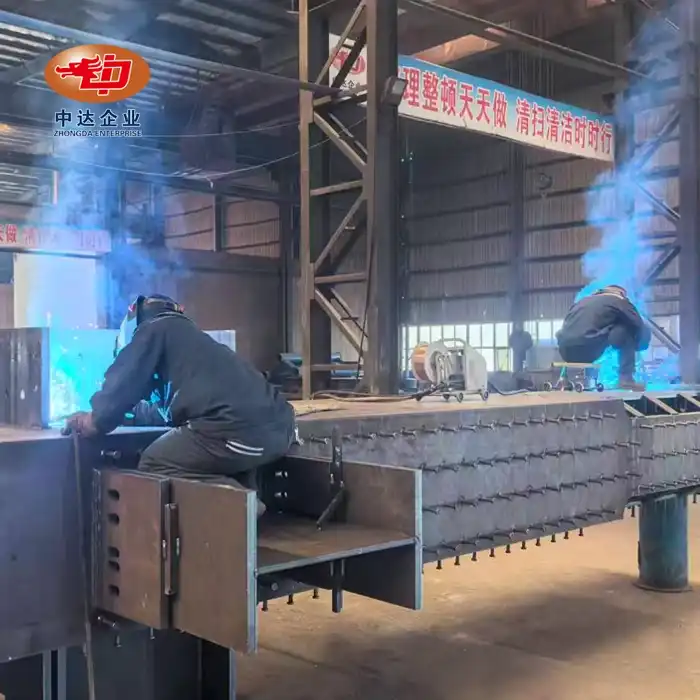
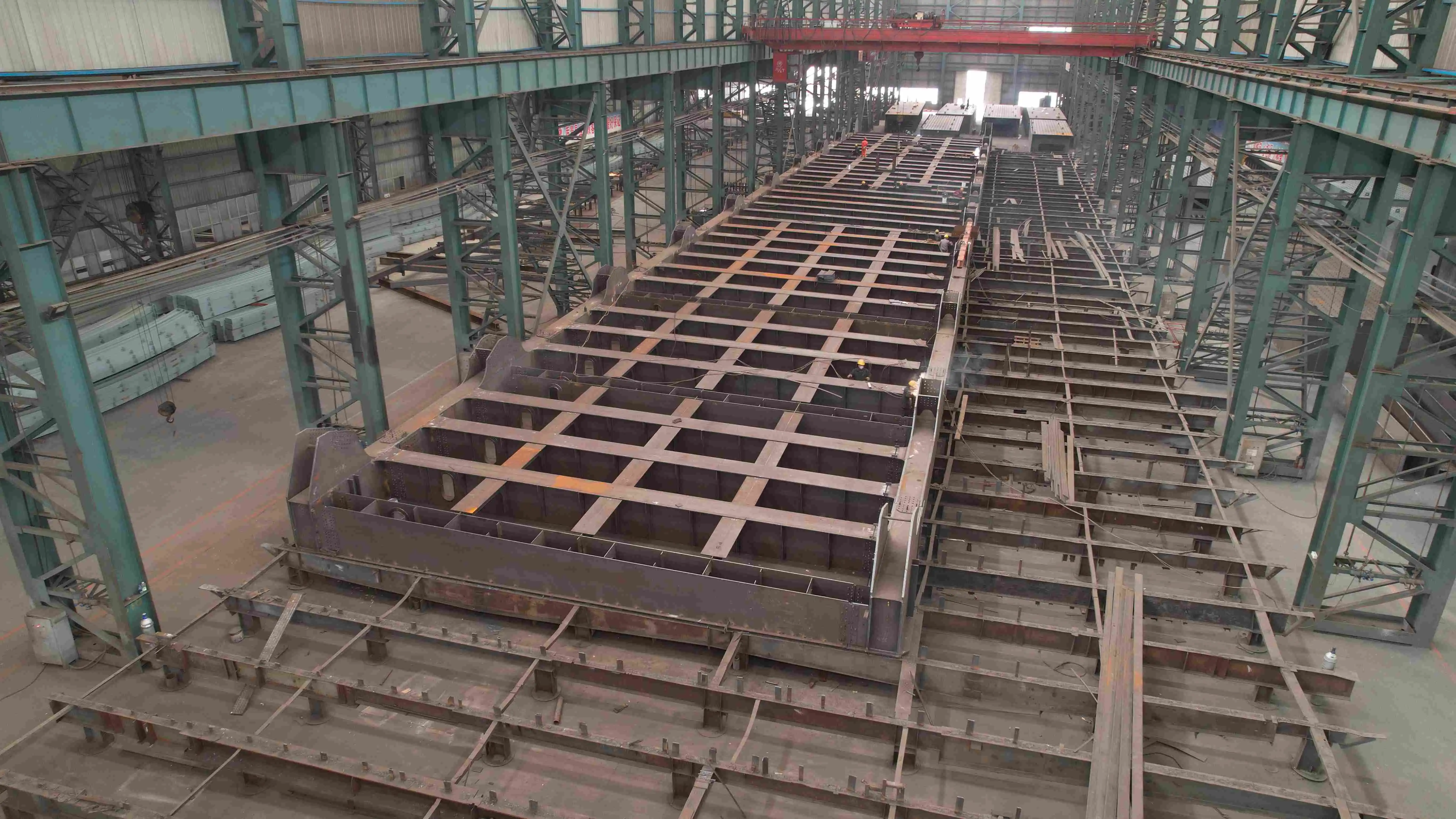
Quality control is an important part of every step of our production process. Getting raw steel requires following strict rules that are confirmed by testing the materials. Our 120,000-square-meter factory has computer-controlled cutting tools that keep limits of ±0.2mm, which makes sure that the parts fit perfectly when they are put together in the field. The welding is done by qualified workers who follow written instructions. At each stage of production, quality checks are done. The methods of galvanizing and painting are in line with ASTM standards. This is shown by measuring the thickness of the coating and testing it with salt spray for naval use.
When steel buildings are built correctly, they last longer, which has direct economic benefits. The starting cost may be higher than with easier building methods, but the service life expectancy of 30 to 40 years with little upkeep makes the lifecycle worth higher. Every year, climate-optimized designs that make buildings more energy efficient lower their operating costs, and they usually pay for themselves in the first ten years of use. Being responsible for the environment is in line with current standards for buying things. Because steel can be recycled, buildings that have reached the end of their useful life can be fully reused instead of ending up in a landfill. Designs that use less energy leave smaller carbon footprints over the whole time they are in use. Our ISO 14001 environmental management certification shows that our company is dedicated to using environmentally friendly methods. Client reviews from China Railway, CSCEC, and BMW show that we can handle a wide range of industrial tasks. Agricultural clients like the same level of engineering accuracy we use on infrastructure and car projects, and they benefit from manufacturing skills that were honed in tough fields. The Chinese Ministry of Housing and Urban-Rural Development gave us a First-Class Steel Structure Engineering Qualification, which is legal proof of our technical skills.
Procurement and Support Services
Zhongda makes it easier to buy complicated breeding shed by offering a wide range of support services. The first step in our procurement process is a thorough meeting where we learn about your site's conditions, practical needs, local climate data, and special animal housing requirements. This knowledge helps us with our engineering research and the creation of a preliminary plan. As part of the customizing process, you will work with others to review the design and give comments on layout options, material choices, and extra features that you may want. Our team gives you a number of design options along with a cost comparison so that you can make an informed choice based on your budget and performance needs. Virtual walkthroughs are possible with BIM models, so you can see what the finished building will look like before it is built.
Manufacturing times are usually between four and eight weeks. We can handle both small specialty jobs and large-scale setups without breaking our delivery promises thanks to our 60,000-ton annual capacity. Each package comes with quality paperwork, such as material certificates, welding records, and coating inspection reports. Logistics management is a service that adds a lot of value. Our experienced shipping staff sets up foreign freight, takes care of customs paperwork, and makes sure delivery times work with your site's readiness. We offer installation monitoring services, in which our technical representatives walk your building team through the steps of putting things together and make sure that important details like connections and weatherproofing are done correctly.
Our faith in the quality of the product shows in the warranty coverage. There are full warranties on structural parts that cover both material flaws and problems with the way they were put together. Coating systems come with corrosion guarantees that are tailored to your environment. For example, normal installations in inland areas get longer coverage than sites in harsh sea environments, and the material specs are changed to keep protection levels high. Steel buildings don't need much maintenance, but they do benefit from being checked on every so often. We give you thorough upkeep instructions that include when to do inspections, how to retighten fasteners, and how to touch up the coating. By taking simple precautions, you can protect your long-term investment and make the service last much longer than usual.
Conclusion
Climate-adapted breeding sheds agricultural buildings are important equipment for modern livestock farms that have to deal with weather trends that change all the time. Zhongda's customization method takes into account the unique problems your location has by using technical analysis, choosing the right materials, and tried-and-true design methods. Our world project experience includes work in both harsh and mild conditions, from the Arctic to the tropics. This shows that we have a wide range of skills, backed up by technical know-how and top-notch manufacturing. When you combine ISO-certified quality systems, cutting-edge prefabrication technology, and a wide range of support services, buying decision-makers can be sure that both the product and the relationship will work well. When agricultural buildings are properly built for their surroundings, they last for decades and keep animals safe while still being efficient.
FAQ
What steel grades work best in extremely cold environments?
At temperatures as low as -60°C, Q345 high-tensile steel keeps its shape and can't be damaged by impacts. We test the toughness of materials that will be used in the Arctic with low-temperature Charpy impact tests. Specialized welding techniques and preheating methods used during production make sure that the link stays strong even when it's heated up.
How does Zhongda prevent condensation in humid climates?
Managing wetness is done with multi-layer methods. Anti-Condensation Fleece, when put on inside surfaces, soaks up short-term changes in moisture levels. When vapor retarders are placed correctly inside insulated wall sections, they stop moisture from moving. Enough air flow gets rid of humidity before it turns into mist, and automatic systems keep conditions at their best.
Can existing structures be retrofitted with climate-control improvements?
Based on the current frame's ability and state, structural assessments decide if a retrofit is possible. Adding insulation walls, automatic air systems, and protective coatings are all common ways to improve a home. Our engineering team looks at your present building and suggests low-cost changes that will make it better for climate control without having to completely replace it.
What certifications validate Zhongda's manufacturing quality?
These are the licenses we have: ISO 9001:2015 for quality management, ISO 14001 for environmental management, and OHSAS 45001 for workplace health. The EN 1090 structure steel approval shows that the steel meets European building standards. The top level of approval in China for difficult structural work is the First-Class Steel Structure Engineering Qualification.
Partner With a Trusted Breeding Shed Manufacturer
Through precision-engineered farm structures, Zhongda Steel Structure Engineering turns problems caused by climate change into competitive benefits. Our plans are climate-adaptive to protect your animal investment while keeping costs low over the structure's many years of use. As a certified provider of breeding sheds with proven global skills, we offer full solutions, from the initial consultation to help with installation and beyond. No matter what your needs are, our expert team is ready to look at them and come up with unique solutions that fit your budget, operational needs, and climate. Get in touch with Ava@zd-steels.com right away to talk about your project needs and find out how our outstanding engineering skills help us build buildings that work reliably in your setting. To start your project, you can ask for full technical specs, look at case studies from climates that are similar to yours, or set up a meeting with one of our experts in agricultural structures.
References
Chen, Y., & Liu, X. (2021). Climate-Responsive Design in Agricultural Steel Structures. International Journal of Agricultural Engineering, 15(3), 245-260.
Hansen, K. M. (2020). Livestock Housing Systems: Environmental Control and Animal Welfare. Agricultural Press International.
Morrison, T. R., & Patel, S. (2022). Corrosion Protection Strategies for Metal Agricultural Buildings in Varied Climates. Journal of Rural Construction Technology, 28(2), 112-128.
Stevenson, J. W. (2019). Steel Frame Agricultural Buildings: Design, Fabrication and Performance. Technical Publishing House.
Wang, H., Zhang, L., & Kim, D. S. (2023). Thermal Performance Optimization in Prefabricated Steel Agricultural Facilities. Building Science Quarterly, 41(1), 67-84.
Zimmerman, A. L. (2021). Ventilation Engineering for Livestock Facilities: Climate Adaptation Strategies. Rural Infrastructure Research Institute.
YOU MAY LIKE