Solutions for Heavy-Duty Power Plant Steel Structure
2026-07-22 17:25:34






There is no way around the need for specialized engineering when power plants need structure frames that can support turbines, boilers, and heavy machinery in harsh working conditions. Power plant steel structure systems, which combine high-strength materials with precise engineering to produce safe, long-lasting, and affordable solutions, are the foundation of the energy grid. These frames have to be able to resist shifting loads, changing temperatures, earthquakes, and corrosive environments for decades while still working properly. Successful projects are different from costly failures because they know how to define, buy, and manage these important systems.
Understanding Heavy-Duty Steel Structures in Power Plants
Fundamental Characteristics and Roles
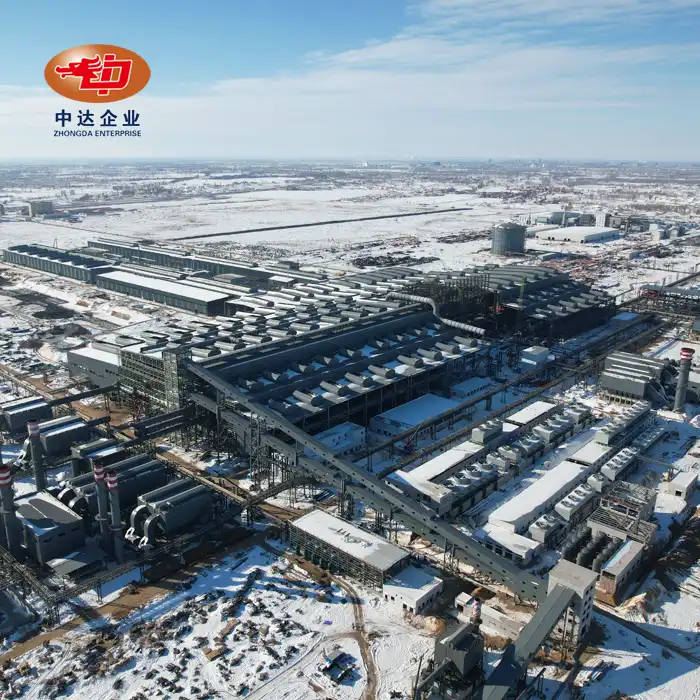
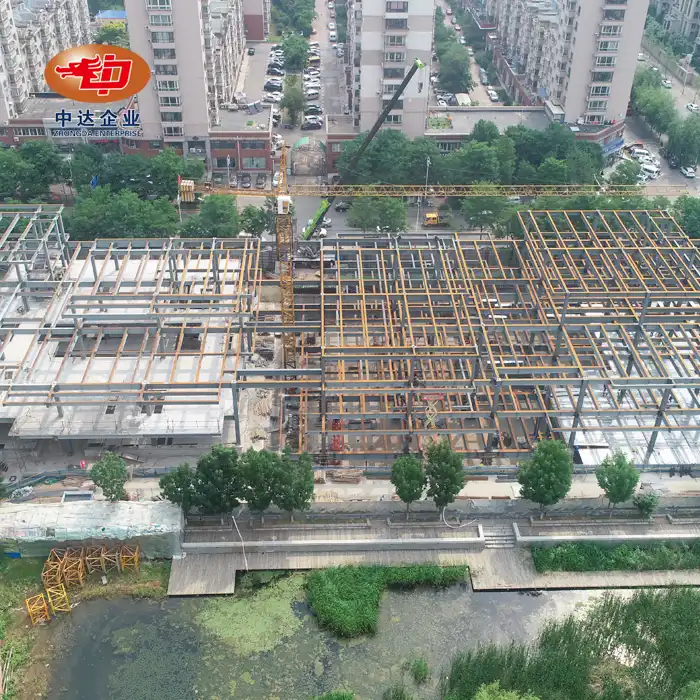
In energy buildings, heavy-duty steel frames do a lot more important things than just support the structure. They hold turbine-generator units, hang huge boiler systems that weigh thousands of tons, and give repair workers places to work. The turbine hall is usually made up of a portal frame or truss that spans 30 to 50 meters without any walls in the middle. This lets the crane easily install and fix equipment. Support structures for boilers usually go up 50 to 100 meters high. They are made to be able to handle heat growth while keeping alignment to within millimeters. These systems have to work well with the electricity, plumbing, and HVAC systems that are already in place, and they have to stay within strict limits for vibration and deflection.
Steel Frame and Truss Systems Explained
For different technical needs, different structural designs are used. Rigid frame systems use welded or bolted beam-column links to make moment-resisting assemblies. They are perfect for power complex control rooms and executive buildings with multiple floors. Truss structures use triangulated member arrangements that move loads efficiently through tension and compression. This makes them good for long-span roof systems and boiler support frames. Grid structures use two-way beams to spread weight over big areas. They are often used for air-cooled condenser platforms. By letting them be put together quickly on-site, modular prefabricated systems cut down on building times by 20 to 30 percent compared to traditional methods. Quality control is still maintained through factory production.
Material Selection and Steel Grades
Picking the right steel types for power plant steel structure has a direct effect on how well structures work and how much they cost over their whole time. With a yield strength of 235 MPa, Q235 steel is used in non-critical situations where loads are mild and the climate is good. The industry standard for main load-bearing parts in power plants is Q355 grade material, which has a yield strength of 355 MPa. It has better strength-to-weight ratios that lower the need for foundations. For jobs that need to meet American standards, ASTM A572 Grade 50 steel works just as well. High-strength low-alloy versions with controlled carbon equivalent values below 0.45 percent make welding very easy without heating first, which is very important for putting things together in the field. Impact hardness at working temperatures must be taken into account when choosing materials, especially in cold places where the risk of brittle fracture rises.
Load Requirements and Engineering Standards
Figuring out the load correctly is the first step in designing a safe structure. Dead loads are things like steel beams, concrete floor slabs, wire trays, piping systems, and equipment that is permanently fixed. Live loads are different in different places. For example, working platforms need 5 kN per square meter of space, while equipment repair areas need 10 kN per square meter of space for temporary tools and materials. Environmental loads are very difficult to deal with. For example, wind pressures in coastal sites may be higher than 2 kN per square meter, seasonal loads like snow in the north, and seismic accelerations in busy zones need ductile detailing according to AISC 341 or EN 1998 standards. Dynamic loads from spinning machinery cause cyclic stresses that need to be analyzed for wear and ways to stop vibrations.
Advantages Over Concrete Alternatives
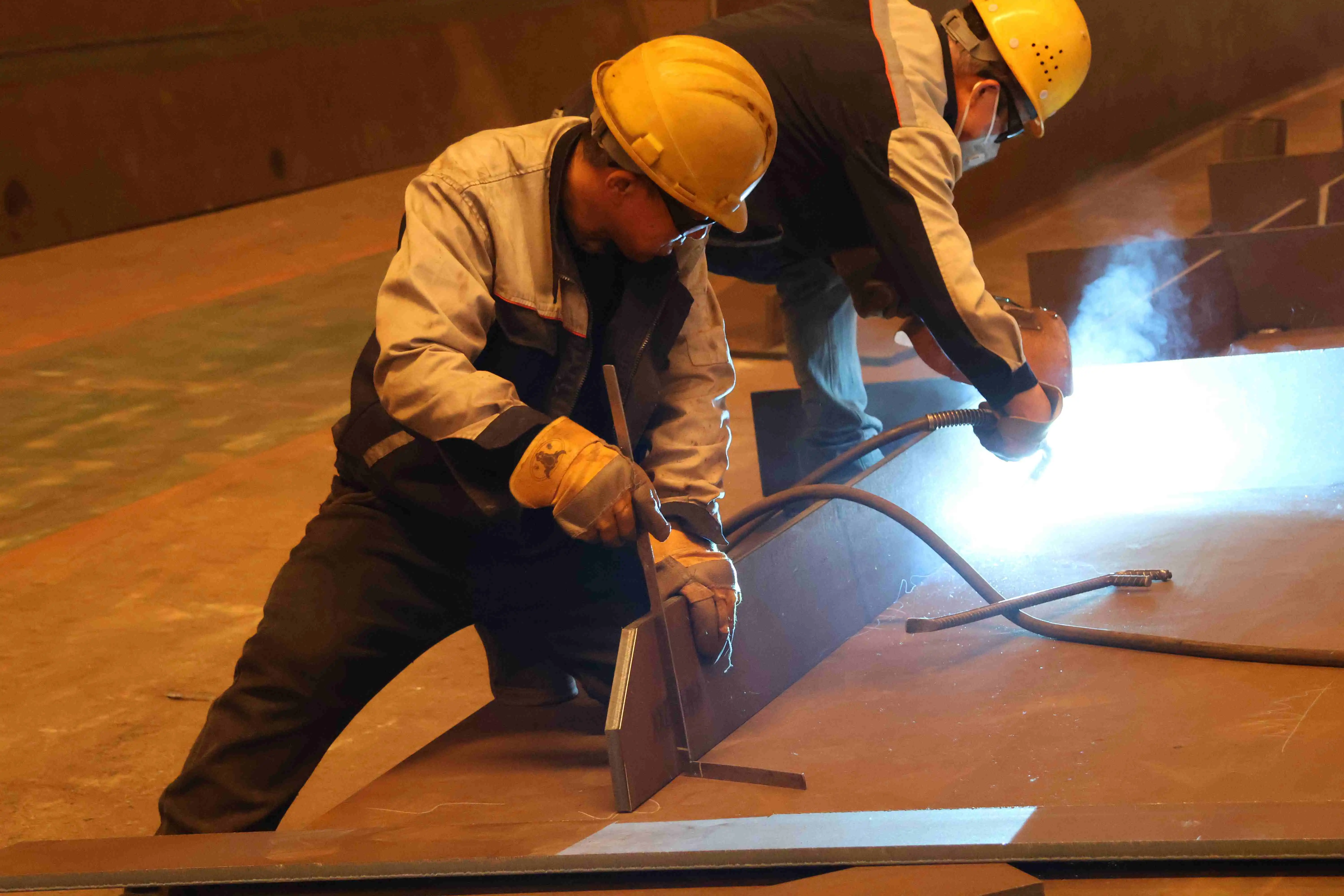
For power plant uses, steel building has a lot of great benefits. The speed of construction goes up by a huge amount because prefabricated steel parts come ready to be put together. This gets rid of the delays caused by concrete drying and lets multiple work streams run at the same time. The edge in strength-to-weight cuts down on foundation sizes and costs. This is especially helpful when the dirt is bad and deep piling is needed. Modification freedom lets you increase capacity or change equipment in the future without having to tear down a lot of the structure. While concrete is better at resisting fire and needs less upkeep, steel is better at bending during earthquakes, can span distances that reinforced concrete can't, and can be recycled completely when it's done. Instead of just looking at the original material costs, economic analysis needs to look at the total ownership costs, which include the length of time it takes to build, the freedom of operations, and the costs of shutting down.
Key Challenges and Solutions in Designing Heavy-Duty Power Plant Steel Structures
Corrosion Protection in Aggressive Environments
Corrosive substances like sulfur compounds, chlorides from cooling tower drift, and moisture condensation cycles are used in power plants to damage structural steel. In these situations, steel that isn't secured breaks down within years, putting people in danger and needing expensive repairs. Preparing the surface is the first step in stopping rust. Abrasive blasting to the Sa 2.5 standard gets rid of mill scale and other contaminants, leaving an anchor shape for the coating to stick to. Three-coat methods that include zinc-rich primers, epoxy layers with micaceous iron oxide barriers, and polyurethane topcoats guard against damage for 15 to 25 years in C5-M coastal settings. Following ISO 1461 for hot-dip galvanizing gives strong protection to smaller parts, but it can only be used on members that are a certain size. Cathodic protection systems add extra defense for things that are underground or underwater. Ultrasonic thickness measurement should be a regular part of checking routines so that section loss can be found before it becomes too dangerous.
Fire Resistance Engineering
At 600 degrees Celsius, steel in power plant steel structure loses about half of its power at room temperature. This makes fires dangerous for people. Building codes require different fire resistance times for different types of structures and people who will be using them. For example, main load-bearing members usually need two to four hours of protection. When intumescent coatings are heated, they spread and create char layers that keep steel temperatures below dangerous levels. These thin-film solutions keep the look of buildings, but they need to be carefully prepared for use and monitored during the application process. Cementitious spray-applied fireproofing is a cheap way to protect hidden structural members, but the thickness standards make the members bigger. Encasing something in concrete gives it the most security, but it takes away steel's weight edge. Fire engineering studies might show that some members are naturally resistant to fire because they aren't used very often. This could mean that security costs aren't needed because the design is based on performance.
Seismic Resilience Strategies
Power plants are important pieces of infrastructure that must stay up and running after an earthquake. When a structure is ductile, it lets you control how much energy it loses by forming plastic hinges instead of breaking apart. Special moment frames with smaller beam sections focus on pulling away from weak links. Frames with braces that are limited in their ability to buckle offer hysteretic dampers without compression instability. Base separation methods that use friction pendulums or elastomeric bearings keep sensitive equipment from being sped up too much. In slip-critical connections, high-strength friction grip nuts keep the connection from coming loose from repeated loads. Using response spectrum or time-history analysis in computational modeling makes sure that the plan works well with the ground movements at the spot. Capacity design principles make sure that weak-link joining devices protect important parts, so that they can be inspected and fixed after an earthquake instead of being replaced completely.
Advanced Design Tools and BIM Integration
Modern structural engineering uses complex analysis tools to find the best sizes and features for members and connections. Finite element modeling shows complicated load patterns in three-dimensional spaces, finding stress centers that simple formulas miss. Nonlinear analysis forecasts resistance to increasing collapse, showing that the structure is strong beyond the bare minimums required by code. Building Information Modeling tools allow people from different fields to work together and find problems before they are built by checking for conflicts between structural parts and mechanical systems. Value engineering studies can be done faster with parametric design processes that let you quickly compare different setup options. Digital manufacturing data sent straight to CNC equipment gets rid of transcription mistakes, which makes the accuracy of the dimensions better. Using laser scans during building makes sure that the changes made to the structure are in line with what actually happened in the field. These tools cut down on design risks, speed up approval processes, and keep costly changes to the field to a minimum.
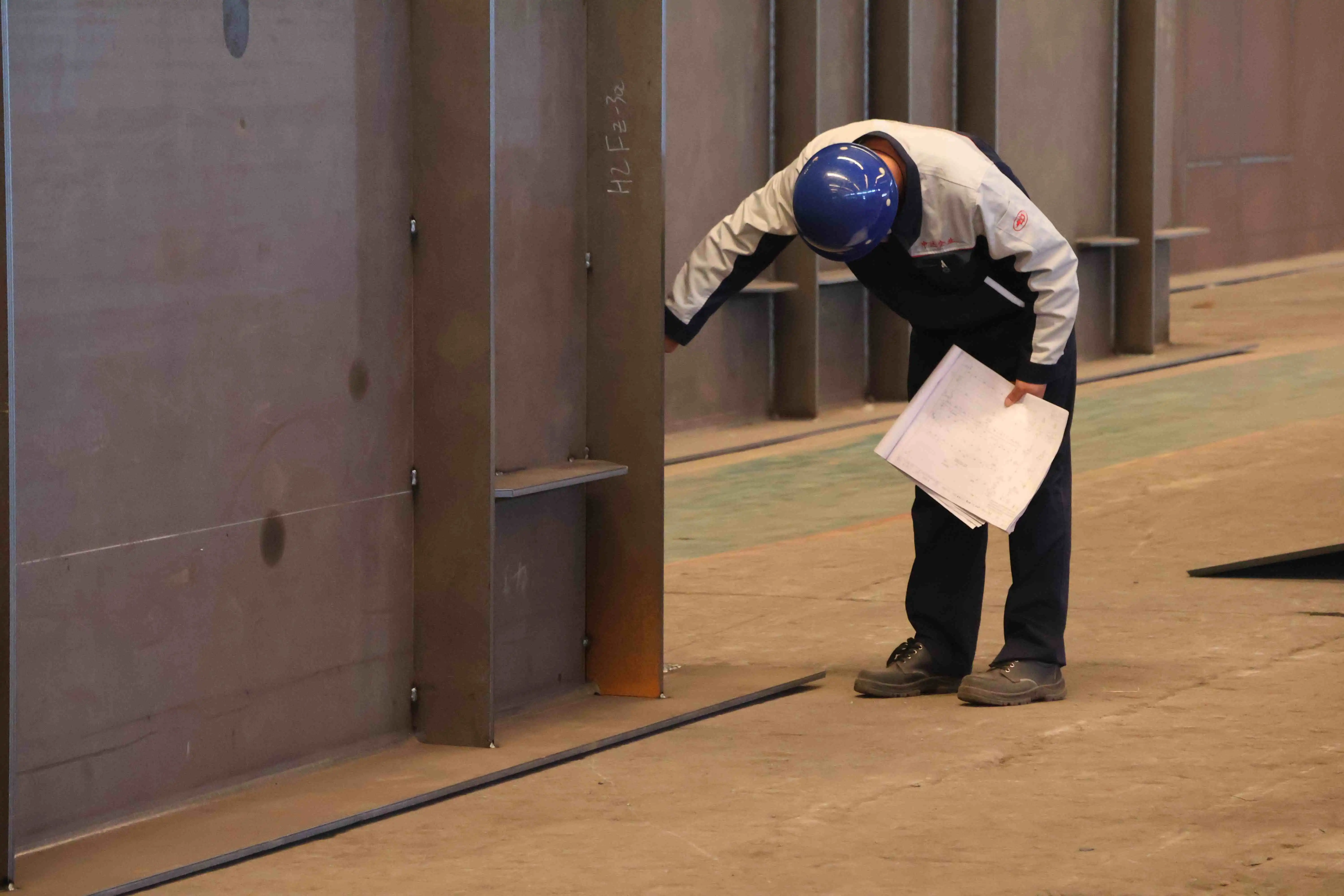
Comparing Steel Structure Solutions for Power Plants: Making the Right Choice
Prefabrication Versus Onsite Fabrication
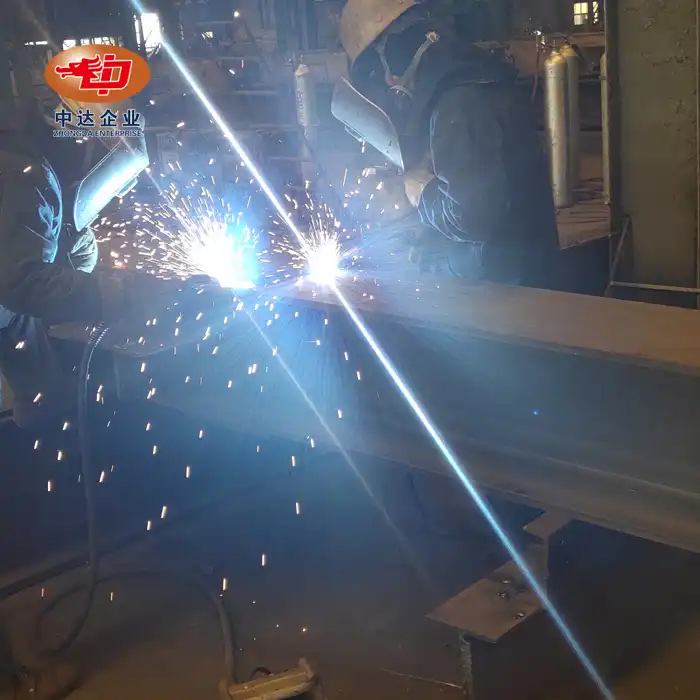
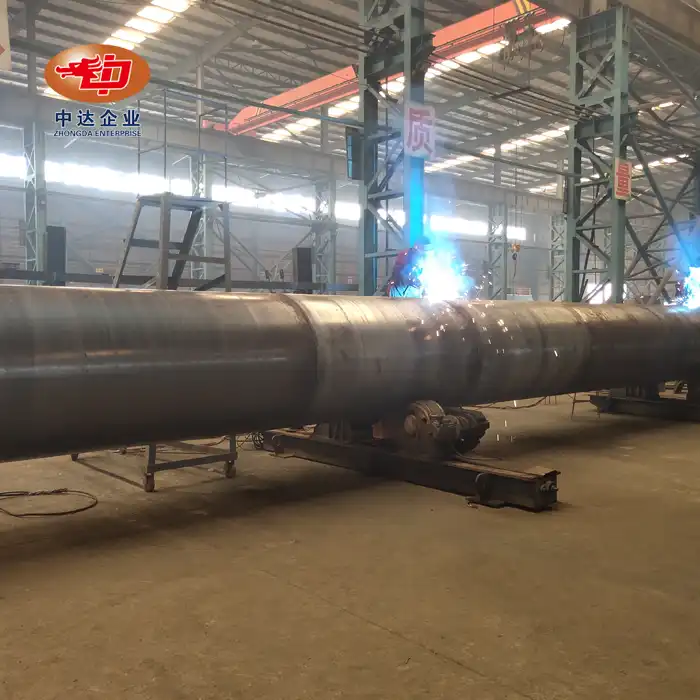
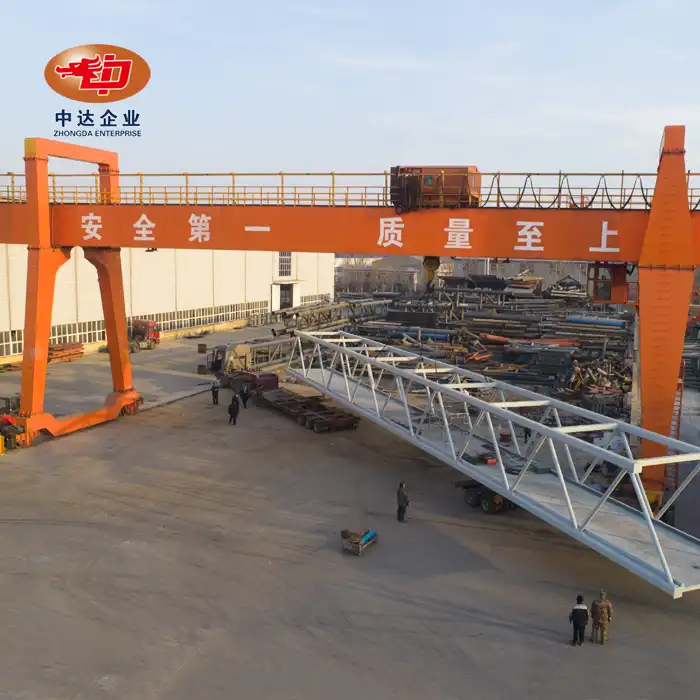
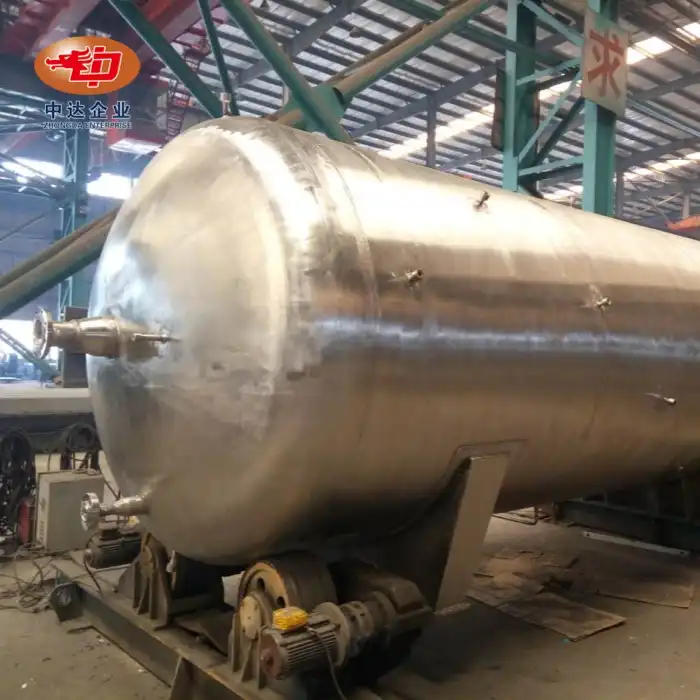
The site of the factory has a huge impact on the results of a project in many ways. Factory prefabrication provides better quality control because covered facilities don't have to wait for bad weather, skilled welders use optimized jigs to make sure the dimensions are correct, and automated processes cut down on mistakes made by people. Before they are shipped, modular assemblies are put together for a test fit. This finds any problems early, when fixing them is easiest. As assembly sizes get bigger, transportation logistics get trickier. Module sizes may be limited by route clearances and crane capacities. On-site fabrication gives you more options when there are still questions about the design or when changes need to be made during building. However, working in the outdoors and being exposed to the weather can lower the quality of the welding. The supply of skilled workers varies by area. For example, some markets have plenty of trained site welders, while others need to import them. When it comes to combining quality, schedule, and cost, hybrid methods that prefabricate complicated connections and field-weld simple parts often work best.
Modular Construction Benefits
Putting together big structures into movable sections speeds up the building process and makes workers more productive. Modules come with platforms, stairs, electrical tubing, and pipe supports already installed, which cuts down on the amount of work that needs to be done in the field. Parallel production streams let several assemblies move forward at the same time, shortening the time needed for the key path. When learning curve efficiencies help repeated assemblies work better in controlled workplace settings, quality goes up. When truck supplies take the place of months of fabrication work, there is less site disruption, which is helpful for brownfield growth where current operations continue. Transportation rules need to be carefully thought out when designing modules. For example, highway permits usually limit widths to 4 meters and heights to 4.5 meters without expensive security requirements. Lifting provisions must take into account the largest cranes that are available on the job site. This may mean using temporary lifting devices that are taken off after installation. Module connections need precise measurement control to make sure that field fit-up can happen without having to use forced angles that add extra stress.
Cost Considerations Across Project Lifecycle
When making a procurement choice for power plant steel structure, it's important to look at the total costs of ownership, not just the initial costs. The starting point is the amount of materials that are needed. Optimized member selection lowers the weight while keeping enough safety gaps. However, hyper-optimization that gets rid of all redundant parts may make manufacturing more complicated and erection more difficult. Work needed for fabrication goes up as the connection gets more complicated. For example, simple bolted joints cost less than field-welded splices that need approved processes and inspection. Transportation costs are very different depending on the size of the modules and where the project is located. For example, places that can only be reached by boat or heavy-haul truck have very high logistics costs. How quickly something is put together depends on how heavy the members are and how easy it is to get to the connections. Crane time is a big cost driver that goes down when intelligent design processes cut down on lifts. For badly protected steel, the costs of maintenance over its useful life are much higher than the costs of building. On the other hand, properly defined corrosion systems put off major repairs for decades. At the end of its useful life, decommissioning costs may be offset by the steel's scrap value, which is higher than the cost of removing concrete.
Procuring Heavy-Duty Steel Structures: What B2B Clients Need to Know
Evaluating Supplier Qualifications
Finding fabricators and workers who can work on power plant projects requires more than just reading their skill statements. When you look at a manufacturing facility, you can see how much it can make, how advanced the equipment is, and how serious the company is about quality. For example, modern plants have CNC thermal cutting, automatic blasting lines, and robotic welding cells that make consistency impossible with human methods. As proof of systematic operating discipline, certification portfolios should include ISO 9001 standards for quality management, ISO 14001 standards for environmental systems, and ISO 45001 standards for workplace safety. Technical knowledge and testing procedures are confirmed by EN 1090 execution class certification or a similar AISC fabricator certification. References from similar projects done in the past show how well the work was done. Talking to the owners will show if promises were kept about deadlines, standards for dimensions were met, and help was given after delivery. A financial stability review guards against going bankrupt in the middle of a project, which can throw off schedules and cause costs to go up when replacement contractors expect higher rates.
Custom Fabrication Process
A structured process leads to successful project completion, starting with the idea and ending with the real installation. The first meeting sets functional needs, site limitations, and performance goals, which lets for basic configuration studies. Structural analysis figures out how loads will move and what size parts are needed to make sure the structure is strong, stable, and serviceable in all possible load combinations. Connection design creates ways to move moment, shear, and axial forces by using bolted, welded, or hybrid features that are right for the stress conditions and the ability to make the part. Three-dimensional modeling makes fabrication drawings that show the exact sizes of the plates, where the bolts go, and how the welds are set up. These drawings are the legal base for making. Once the designs are stable, the buying of materials can begin, and mill certifications will prove the materials' chemical make-up and mechanical qualities. Cutting, drilling, welding, and putting things together are all done while quality control is constantly checked. Fit is checked by trial building of important surfaces before a protective coating is applied. Transportation planning handles supply schedules that work with erection reasoning, which keeps storage on-site from getting too crowded.
Managing Lead Times and Schedules
Power plant building plans require careful coordination of activities that depend on each other and are done by different contractors. Getting steel and putting it together are very important parts of the process. Standard structural forms may be ready within a few weeks, but heavy plate orders from mills can take 12 to 16 weeks. It takes an extra 8 to 12 weeks before the shipment date for complex manufacturing that needs a lot of fitting and welding. It's very important to finish engineering work as soon as possible because late design releases affect buying and manufacturing, which can shorten installation windows that could be limited by bad weather or system failures. Long-lead foundations and the first structural steel can be put in place using phased release strategies while detailed equipment plans are finalized. As work progresses, however, changes become more expensive. There are choices for speeding things up, but they cost more. For example, air freight, overtime fabrication shifts, and priority mill rolling can make up weeks when delays in the plan threaten to miss project milestones. Realistic contingency limits in master plans take into account that problems with manufacturing, design changes, and approval processes will always take up extra time.
Sustainable Sourcing Commitments
As companies set goals to reduce their carbon emissions, environmental duty plays a bigger role in their buying choices. Because steel can be recycled naturally, it is better for the environment. For example, making steel from scrap in an electric arc furnace uses 75 percent less energy than making steel from new steel in a blast furnace, which means that a lot less carbon is released into the atmosphere. Specifying recovered content reduces the effects of original extraction while keeping the performance of the material the same. Local sourcing cuts down on pollution from traffic and helps local economies, but supply lines may need to be longer if the goods need to be sent to specific places. Fabricators who use environmental management systems keep track of how much waste they make, how much energy they use, and how much pollution they release. This shows clear growth paths. Protective coating systems should find a balance between longevity and limits on volatile organic compounds. Waterborne and high-solids formulas release less pollution into the air than standard solvent-based products. Lifecycle review is possible with clear supply chain paperwork that includes environmental product declarations. This helps with green building certifications and business sustainability reporting. Purchasers who care about these issues should use sustainability factors along with traditional cost and quality measures to evaluate suppliers.
Conclusion
For heavy-duty steel frames for power plant steel structure energy infrastructure to be delivered successfully, technical knowledge, knowledge of how to evaluate suppliers, and organized project management must all be combined. From choosing the materials at the start to putting them into service, every choice has an impact on safety, cost, and operating dependability for many years to come. Prefabrication strategies and modular building methods shorten construction times while keeping quality high. However, the best ways to do things depend on the logistics of shipping and the conditions of the site. Capital investments are safe from environmental damage and disasters thanks to strict fire and rust protection measures. Following engineering standards and review procedures helps the government approve the work and gives builders faith in the structure. With sustainable sources, buying things is in line with companies' environmental goals without hurting performance.
FAQ
What benefits does steel have over concrete when it comes to power plants?
Through prefabrication and modular assembly, steel building speeds up the finishing of projects by months compared to concrete curing processes. The high strength-to-weight ratio reduces the need for a base, which is especially helpful in areas with difficult dirt. Long clear spans let you place big pieces of equipment and do repair work without having to use beams in the middle. Seismic flexibility lets energy escape during tremors, which keeps important equipment safe. When capacity needs to be increased or equipment needs to be replaced in the future, it will be easier to make changes. Steel needs coatings to protect it from rust, but it can be recycled and has less carbon than other materials, which helps building owners meet their environmental goals.
How do I find good providers of steel structures?
Check out a company's ability to make things by looking at its facilities and seeing how advanced its equipment is and how much it can make. For example, automatic cutting, robotic welding, and modern paint systems are all signs of competitive operations. Check for quality standards like ISO 9001 and EN 1090 or AISC maker approval, which show that the company is well-run and has the right technical skills. Look at project portfolios that have similar applications and references from past clients that can be checked out. Check the contractors' financial security to make sure they can keep working until the job is finished without going bankrupt. Check that the engineering support team has the right skills, such as BIM knowledge and research skills. Environmental approvals and openness in the supply chain are examples of sustainable practices that are in line with business responsibility goals.
What care makes sure that the structure works well in the long term?
Regular check rounds find flaws in the coating, the start of rust, and mechanical damage before they affect the structure's ability to hold weight. Looking at all the visible surfaces visually shows you what needs to be fixed. Spot fixes are good for small problems, but when damage spreads, the whole surface needs to be recoated. Checking the tightness of connection bolts stops them from coming loose from shaking, which is especially important around machinery that is turning. Vibration tracking finds changes in how a structure responds that could mean that it is fatigue cracking or the base is sinking. Protective systems should be renewed as often as the maker suggests, which is usually every 15 to 25 years, based on how exposed the system is to the environment. Inspection results and maintenance actions are kept track of by documentation systems, which helps predict lifetime costs and plan for capital expenditures for future repairs or replacements.
Partner with Zhongda for Your Power Plant Steel Structure Needs
Zhongda Steel has been providing tailored steel solutions to clients in the energy field around the world for 20 years. Our 120,000-square-meter factory is certified by ISO 9001, ISO 14001, and EN 1090, which means that we handle quality and the environment in a structured way. We can make complicated turbine hall frameworks, boiler support structures, and air-cooled condenser platforms that meet strict international standards thanks to BIM-driven design processes and a 60,000-ton yearly fabrication capacity. Our engineering team uses cutting-edge technologies to protect against rust, such as C5-M marine-grade paint systems and special fire-resistant treatments, which extend the service life of structures in harsh working conditions. We offer expert help from the initial planning stages of your project all the way through installation and testing. This includes prefabricated modules for faster building and custom-engineered solutions for unique site limits. Get in touch with us at Ava@zd-steels.com to talk about your needs with skilled power plant steel structure suppliers who are dedicated to providing safety, quality, and value throughout the entire lifecycle of your project.
References
Chen, W., and Lui, E. (2019). Stability Design of Steel Frames. CRC Press, Boca Raton, Florida.
Dowling, P., Harding, J., and Bjorhovde, R. (2018). Constructional Steel Design: An International Guide. Elsevier Applied Science, London, United Kingdom.
Gaylord, E., Gaylord, C., and Stallmeyer, J. (2017). Design of Steel Structures, Third Edition. McGraw-Hill, New York, New York.
Salmon, C., Johnson, J., and Malhas, F. (2020). Steel Structures: Design and Behavior, Sixth Edition. Pearson Education, Upper Saddle River, New Jersey.
Tall, L., and Beedle, L. (2016). Structural Steel Design: A Practice-Oriented Approach. John Wiley & Sons, Hoboken, New Jersey.
Ziemian, R. (2021). Guide to Stability Design Criteria for Metal Structures, Seventh Edition. John Wiley & Sons, Hoboken, New Jersey.
YOU MAY LIKE
_副本_1753431734739.webp "Steel Structure Exhibition Building")