The Advantages and Disadvantages of Steel Box Girders
2026-04-15 16:34:07






When thinking about structural options for big infrastructure projects, steel box-girders are a great choice because they combine high engineering performance with realistic building needs. These hollow, rectangular structural elements have changed the way bridges are built and used in factories all over the world. They have superior rotational stiffness and strength-to-weight ratios that regular open-section beams can't match. But, like any technical answer, they have some downsides that procurement workers need to carefully think through. By knowing both the pros and cons, you can make an informed choice that fits your professional needs with your budget and project deadlines.
Understanding Steel Box Girders
What Defines a Steel Box Girder
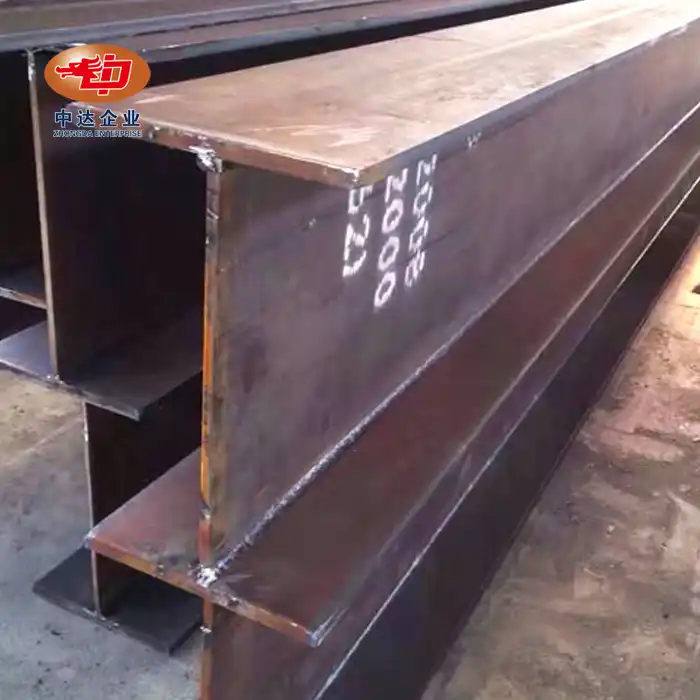
The cross-section of a steel box-girder is closed and hollow. This is made by welding together top and bottom flange plates with vertical web plates. In contrast to regular I-beams or open sections, this arrangement makes a closed structure cell that completely changes how the element reacts to loads. Geometry usually takes the form of rectangles or trapezoids, but unique profiles can be made to fit the needs of a particular project. The main parts are made of high-grade structural steels like Q345D (which has a yield strength of more than 345MPa), while higher-strength grades like Q420D are often used in vital link zones to handle high stresses. This choice of materials guarantees consistent performance in tough situations like earthquakes and heavy traffic.


Design Principles and Load-Bearing Characteristics
The closed-section shape is very good at resisting torsional forces, which is very important for bent bridge lines and buildings that are loaded in an eccentric way. When traffic lines only cover one side of a bridge deck, the bending moment that happens makes open-section beams sag a lot. Box sections can handle this because they have a rotational constant that is hundreds of times higher than I-beams of the same size. When engineers make plans, they have to think about things like local bending in thin-walled plates, connection details for field splices, and stress at welded joints. Modern analysis uses finite element modeling to find the best plate widths and stiffener arrangements. This makes sure that the material is used efficiently without lowering the safety limits. A full structural model is made during the design process by combining live load patterns, wind effects, temperature gradients, and building sequence loads.
Fabrication Process and Customization Options
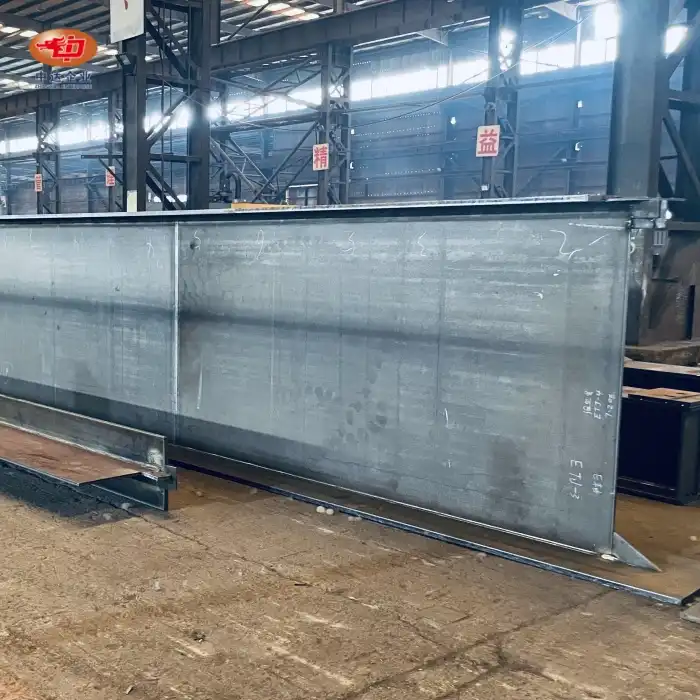
To start making something, very thick steel plates are carefully cut with CNC-controlled machinery that can keep limits within ±0.2mm. After that, automated welding lines connect these parts together using flux-cored arc welding or submerged arc welding methods that follow the rules in the AWS D1.5 Bridge Welding Code. Our 120,000 m² plant at Shenyang Zhongda can handle different cross-section designs with beam heights that range from 1.25m to 8m, and it can handle single spans that are up to 420 meters long. When compared to solid web designs, corrugated steel web choices make the total girder weight about 20% lighter. This lowers the cost of shipping and the load on the foundation. Prefabrication is done in controlled factories where sections 12 to 30 meters long can be made consistently well before being sent to construction sites. This method has many benefits over field fabrication, such as flexible production plans that don't depend on the weather and better quality control.
Advantages of Steel Box Girders
Steel box-girders have many benefits. Box sections are good for structures in more ways than just how well they handle twisting. They also have effects on the cost and long-term performance of the project. Knowing these benefits helps procurement teams find value propositions that might support higher starting costs.
Superior Strength-to-Weight Ratio and Structural Efficiency
Compared to options made of concrete, steel box-girders can hold the same amount of weight while being much lighter themselves. In long-span situations, where dead load makes up a big part of the total structure demand, this property comes in very handy. When the superstructures are lighter, the foundations, piers, and abutments that support them are also lighter. This saves money all over the project. Fully welded box construction spreads pressures more evenly than bolted connections, so there are no stress concentrations like there are in manually fastened parts. Our standards for Q345D and Q420D steel give them solid ductility that lets them yield in extreme situations without breaking. This makes the structure more resistant to earthquakes and impacts, which are very important in high-risk areas or for buildings that carry dangerous chemicals.
Enhanced Durability and Lifecycle Cost-Effectiveness
When properly covered, steel box-girders can last more than 30 years with little maintenance. Our double anti-corrosion system uses either hot-dip galvanizing or multi-layer coating methods that can handle harsh environments like sea air, pollution from factories, and freeze-thaw cycles. Regular checks and touch-ups to the coating are all that's needed for maintenance. No major structural fixes are needed. When you look at the lifetime costs of different options, you can see that steel box sections have big benefits over others. For example, concrete girders can crack and spall, which needs expensive repair work, but steel box-sections can keep their structural integrity with just surface treatments. The enclosed inner area has walkways for inspections and utility routes, which makes it easier to keep an eye on the state without stopping traffic. Less frequent maintenance is especially helpful for projects in hard-to-reach places, where entry issues often drive up maintenance costs.
Construction Speed and Project Timeline Benefits
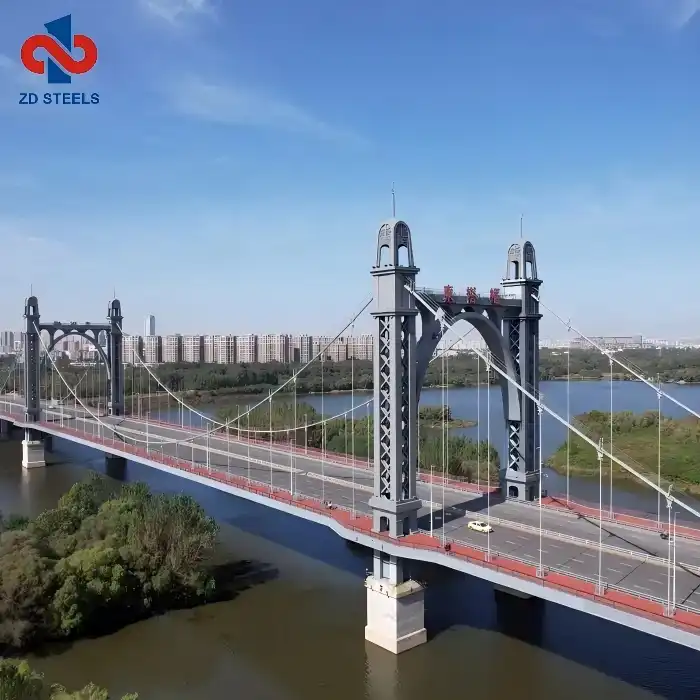
By moving key path tasks from the job site to the factory, prefabrication changes the way building schedules work. While the site is being prepared and the base is being built, girders are being made at the same time, which cuts the total project time by 50% compared to cast-in-place concrete options. The segments come ready to be put together; all that needs to be done is field joining and deck placement to make them work. This faster building is very helpful in urban areas where traffic jams cost a lot of money or in places where the weather is always bad for construction. The Shenyang Dongta Cross-Hunhe River Bridge project showed these benefits on a large scale, with 18,000 tons of box-girders being put up quickly and easily despite difficult site conditions. Modular building also makes things safer by keeping workers from being exposed to risks at heights and over water during long construction times.
Versatility Across Diverse Applications
Beyond simple-span bridges, box-girder technology is easily adaptable to other types of structures. The torsional stiffness and strength properties are used in continuous spans, cantilever building, cable-stayed systems, and arch designs. In factories, the enclosed part is used for things like overhead crane runways, where it makes it easy for electricity and control systems to run. Because they don't rust in harsh marine settings, port facilities use box-girders in gantry crane buildings and access bridges. Steel box-sections are being used more and more in energy-related projects, like wind farms that need strong entry roads to the turbines and solar setups that need high service platforms. This adaptability comes from the basic structure's speed and the ability to be changed to fit the needs of each project.
Disadvantages and Challenges of Steel Box Girders
To do a balanced review, you need to be aware of the problems and situations where other methods might work better. Understanding these limitations is helpful for procurement workers to avoid wrong use and price overruns. More money needed to start out is often a factor for steel box-girders.
Higher Initial Capital Investment
Because of the complex manufacturing tools, skilled welding skills, and high-quality materials, the initial costs are higher than for simpler structural forms. This may be hard to get around for projects with limited funds at the start, even if lifecycle studies show that steel box-girders are the best choice. For lengths less than 30 meters, the extra cost is usually not worth it because prestressed concrete beams or steel plate girders work just as well for less money. It depends a lot on the specifics of the site, like the state of the base, the length of the spans, how easy it is to build and maintain, and so on. Instead of just looking at material and labor costs, procurement teams need to do full cost-benefit studies that take into account all the important factors.
Specialized Fabrication and Installation Requirements
To make things, you need to be able to weld precisely and to strict standards like EN 1090 and AWS. Some steel producers don't have the technical know-how or quality standards to make bridge-grade box-girders. This small group of suppliers can make it harder for companies to compete and make the buying process take longer. For installation, you need trained ironworkers who know how to do high-tolerance field splicing and heavy lifting tools like cranes with enough capacity and reach. For projects in remote areas, it may be hard to get the tools they need at a reasonable cost, especially if the access roads can't handle heavy haul trucks. The specialized nature makes the job more difficult and poses risks if workers don't have the right experience, which could cause delays and quality problems.
Corrosion Protection and Inspection Challenges
The sealed inside surfaces make it hard to get to them for the first paint application and later inspection. Even if there are protections on the outside, rainwater can get trapped inside and create toxic microclimates. While hermetically sealed designs are good for aerodynamics, they don't let in natural air that would normally keep humidity levels in check. Some standards call for dehumidification systems or the injection of inert gases to stop internal corrosion. This raises the cost and makes upkeep more difficult. External inspections show what's going on on the surface, but they can't directly check important internal welds and link zones without special access. To handle these issues, procurement specs must include specific requirements for corrosion protection, easy entry for inspections, and monitoring systems that let you know when things are breaking down before they get worse.
Situational Limitations and Alternative Considerations
Extreme temperature changes can cause surfaces that are covered and surfaces that are open to expand at different rates. This creates thermal stresses that need to be carefully studied. In places where steel supply lines aren't very strong, projects may have trouble getting the steel they need and have to pay more for concrete that is made locally. When structures need to be changed or widened in the future, welded box parts make it harder to do so than modular systems, which make changes easier. Box sections don't usually work well for very short spans or uses with light loads, so easier options are usually a better choice. The people who are in charge of buying things should think about whether the specifics of the project make box-girders a good choice or if other options, such as post-tensioned concrete, open-web trusses, or regular plate girders, would be better for the job.
Procurement Considerations for Steel Box Girders
A successful acquisition strikes a balance between technical requirements and business realities. This makes sure that the goods provided meet quality standards and stay within the budget and time frame. A good buying strategy for steel box-girders is based on a few key factors.
Quality Standards and Criteria for Choosing a Manufacturer
Verification of certifications is the first step in evaluating a supplier. Standards like ISO 9001 for quality management, ISO 14001 for environmental compliance, and OHSAS 45001 for work safety show that an organization is competent in a structured way. Technical skills are proven by titles that are specific to bridges, like the AWS D1.5 welding certification and the EN 1090 structural steel execution certification. Zhongda's Class I Steel Structure Professional Contracting Qualification shows that they can do everything from planning to building. Audits of manufacturing facilities show how much can be made, how complex the equipment is, and how the quality control systems work. With a capacity of 60,000 tons per year and advanced BIM-driven prefabrication processes, we can reliably handle complicated, large-scale projects. Reference projects give real proof of performance—finishing similar structures successfully under similar situations proves claimed skills. Client retention rates show how happy a business is with its customers over time. For example, our 70% retention rate shows that we consistently give value beyond the initial deals.
Customization and Technical Support Requirements
Standard store items rarely work best for large building projects. Instead of giving accurate measurements, procurement specs should describe the performance needs. This way, manufacturers can come up with the best solutions. Designs with variable cross-sections that taper the width of the beam along the length of the span use less material while still being structurally sound. Through effective shear resistance methods, corrugated web designs can reduce weight by up to 20%. Technical teamwork during design development lets manufacturers use their knowledge of how to make details that are easy to make, which keeps expensive changes from having to be made in the field. Before construction starts, BIM-based design integration makes sure that the structural, building, and MEP systems work together. Our engineering team helps with planning the erection, making sure the connection design is correct, and creating upkeep protocols as part of lifetime technical support. With this partnership method, the maker goes from being a supplier of goods to a valuable expert resource.
Delivery Logistics and Project Scheduling Integration
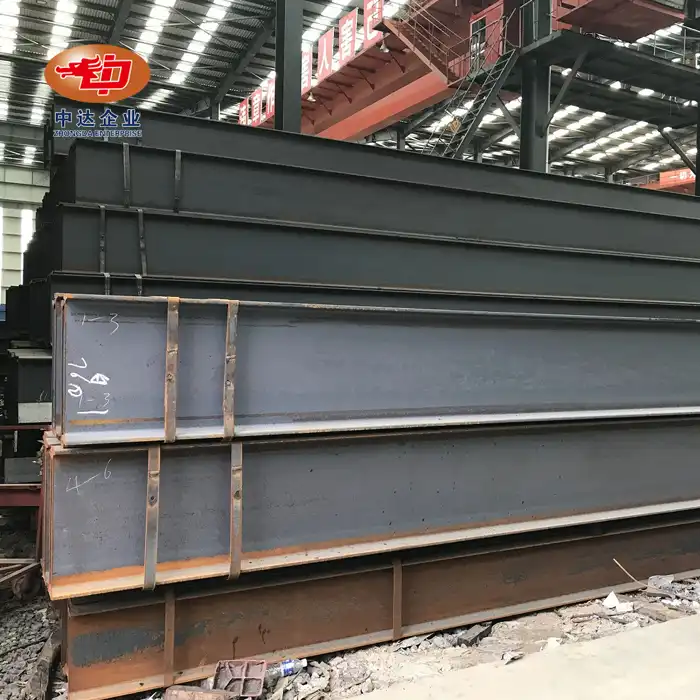
Transportation issues often limit the size of segments and the order in which they are shipped. Over-dimensional loads need special permits, route studies, and sometimes changes to the infrastructure. For example, bridge weight limits, overhead clearances, and turning radii all affect how feasible transport is. When it comes to big, heavy parts, projects that can be reached by boat are better than those that can only be reached by highway. The production schedule needs to match the needs of getting the place ready and the building schedule. Our flexible transport choices can be used for any project, whether it's in a tight city with limited staging areas or in the middle of nowhere where consolidated shipments are needed. Products are kept safe during shipping with secure packing that uses designed blocking, bracing, and weather protection. Real-time tracking of shipments and proactive contact keep schedules from being surprised, which makes it easier for contractors to organize workers and tools. These logistics issues need to be thought about early on in the buying planning process to keep the key path from getting messed up.
Conclusion
Steel box-girders are complex structural solutions that work very well in situations that take advantage of their natural strengths. Because they are rotational stiff, strong, can be prefabricated, and last a long time, they are great choices for long-span bridges, complex infrastructure, and industrial facilities. But these benefits come with bigger starting costs and unique needs that need to be carefully thought through. The success of the procurement depends on meeting the needs of the project with the strengths of the box-girder while also being aware of its weaknesses that might make other options more appealing. Working with seasoned makers like Shenyang Zhongda guarantees access to engineering knowledge, high-quality production, and on-time delivery that turn technical specs into successful built assets that have been used by communities and businesses for decades.
FAQ
How long do steel box girders typically last in service?
With the right anti-corrosion protection, steel box-girders can last for more than 30 years, and in well-kept buildings they can often last for 75 to 100 years. Our double protection systems, which use either hot-dip galvanizing or multi-layer epoxy coats, build strong walls against damage from the climate. Every 5 to 10 years, regular checks find small harm to the coating before rust weakens the structure. In harsh naval or industrial environments, projects may need touch-up upkeep in the middle of their design life. Structures in mild environments, on the other hand, usually only need minor repairs throughout their entire design life.
What maintenance practices ensure optimal performance?
Visual checks of the coating's state, the drainage system's usefulness, and the connection zone's integrity should be done on a regular basis as part of recommended care. Ultrasonic or magnetic particle tests should be used to look more closely at high-stress areas and find fatigue cracks early. When installed, internal dehumidification systems need to be checked regularly to make sure they are still working well. Damage to coatings should be fixed quickly with suitable materials put according to the manufacturer's instructions. Structures that carry traffic should be load tested on a regular basis to make sure they are still strong as traffic trends change.
How do steel box girders compare with prestressed concrete alternatives?
Steel box-girders can be put together faster because they are prefabricated, they don't need as much support at the base, and they work better over long spans of more than 60 meters. Concrete options have lower starting costs for shorter spans and are naturally fire resistant, so no extra safety steps are needed. When it comes to harsh settings where concrete cracks and chips and needs expensive fixes, lifecycle costs tend to favor steel. The best material for a project depends on things like the length of the span, how easy it is to get to the spot, how long the building will take, and the weather. There is no one material that is always better than the other.
Partner with Zhongda Steel: Your Trusted Steel Box Girder Manufacturer
Shenyang Zhongda Steel Structure Engineering Co., Ltd. provides high-quality engineering by making precise steel box-girders that are designed to meet your building needs. Our ISO-certified facility blends cutting-edge automation with years of experience to make solutions that can be tailored to your needs. These solutions can have cross-sections ranging from 1.25 meters to 8 meters and can handle spans up to 420 meters. Through BIM-driven prefabrication, we cut project timelines by 20–30% and offer full technical help from optimizing the design to finishing the building. Get in touch with our team at Ava@zd-steels.com to talk about your needs with steel box-girder experts who are dedicated to giving you reliable, low-cost structure solutions for your next big project.
References
Chen, W. F., & Duan, L. (2014). Bridge Engineering Handbook: Construction and Maintenance (2nd ed.). CRC Press.
American Association of State Highway and Transportation Officials. (2020). LRFD Bridge Design Specifications (9th ed.). Washington, DC: AASHTO.
Hambly, E. C. (1991). Bridge Deck Behaviour (2nd ed.). London: E & FN Spon.
Troitsky, M. S. (1987). Orthotropic Bridges: Theory and Design (2nd ed.). Cleveland: James F. Lincoln Arc Welding Foundation.
Wolchuk, R., & Mayrbaurl, R. M. (1980). Proposed Design Specifications for Steel Box Girder Bridges. Federal Highway Administration Report No. FHWA-TS-80-205.
Xanthakos, P. P. (1994). Theory and Design of Bridges. New York: John Wiley & Sons, Inc.
YOU MAY LIKE
_副本_1754277943321.jpg "Exhibition Hall Building Steel Structure")