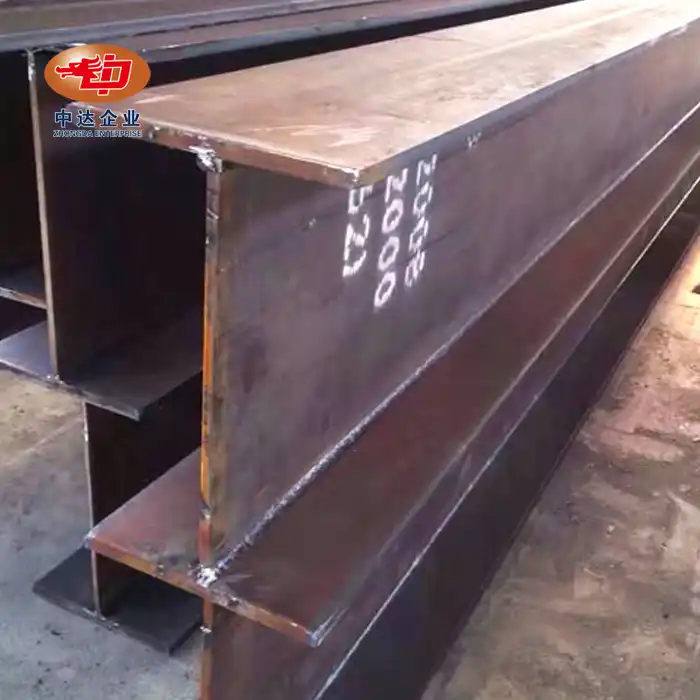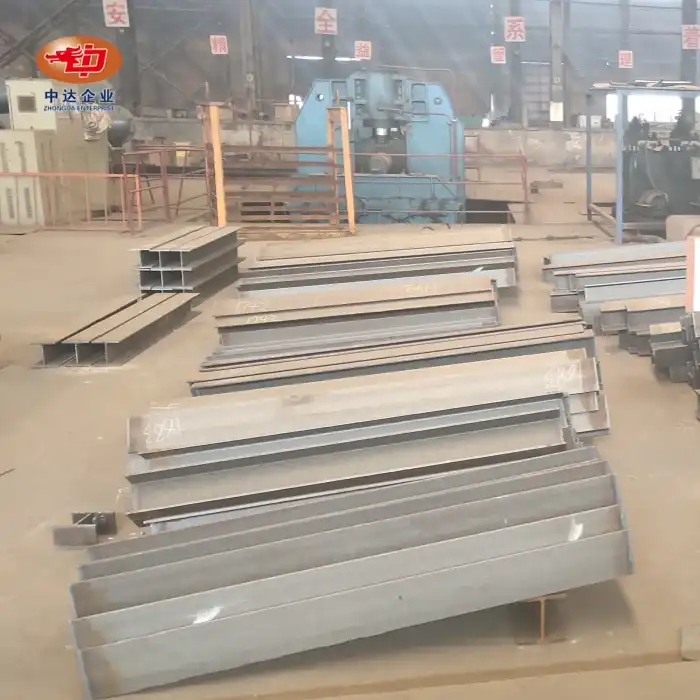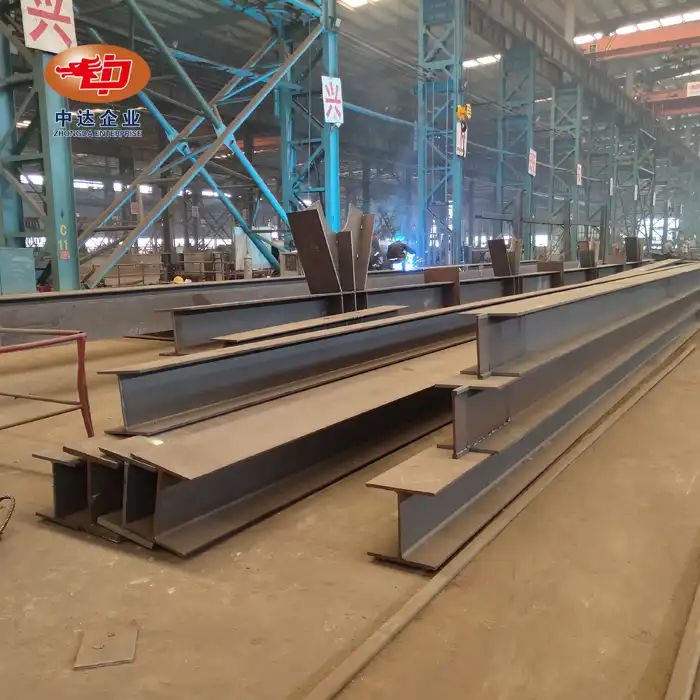






Because of its excellent mix of strength, longevity, and affordability, infrastructure steel is the best material for important building projects. Infrastructure projects usually use weathered steel for bridges, high-strength low-alloy steel for buildings, and corrosion-resistant steel for sea settings. When used in tough situations like big loads, harsh weather, and earthquakes, these specialized steels work much better than regular ones. This makes them very important for modern building and civil engineering projects.
Infrastructure steel is very important to major construction projects. It affects how safe and cost-effective the structure is and how well it stays together. Choosing the right kind of steel makes sure that it lasts a long time and works well even when there are tough situations like big loads, exposure to the elements, and changing stresses. This guide goes over the important things that affect the choice of steel, including types and qualities of materials and ways to get steel. It gives procurement managers and engineering experts a way to make informed choices that meet the needs of infrastructure around the world.
Understanding Infrastructure Steel: Types, Properties, and Applications
Infrastructure steel comes in many grades and kinds, all of which are designed to meet certain needs in public building projects. Procurement workers need to understand these materials so they can make smart choices that take into account both performance goals and price limits.
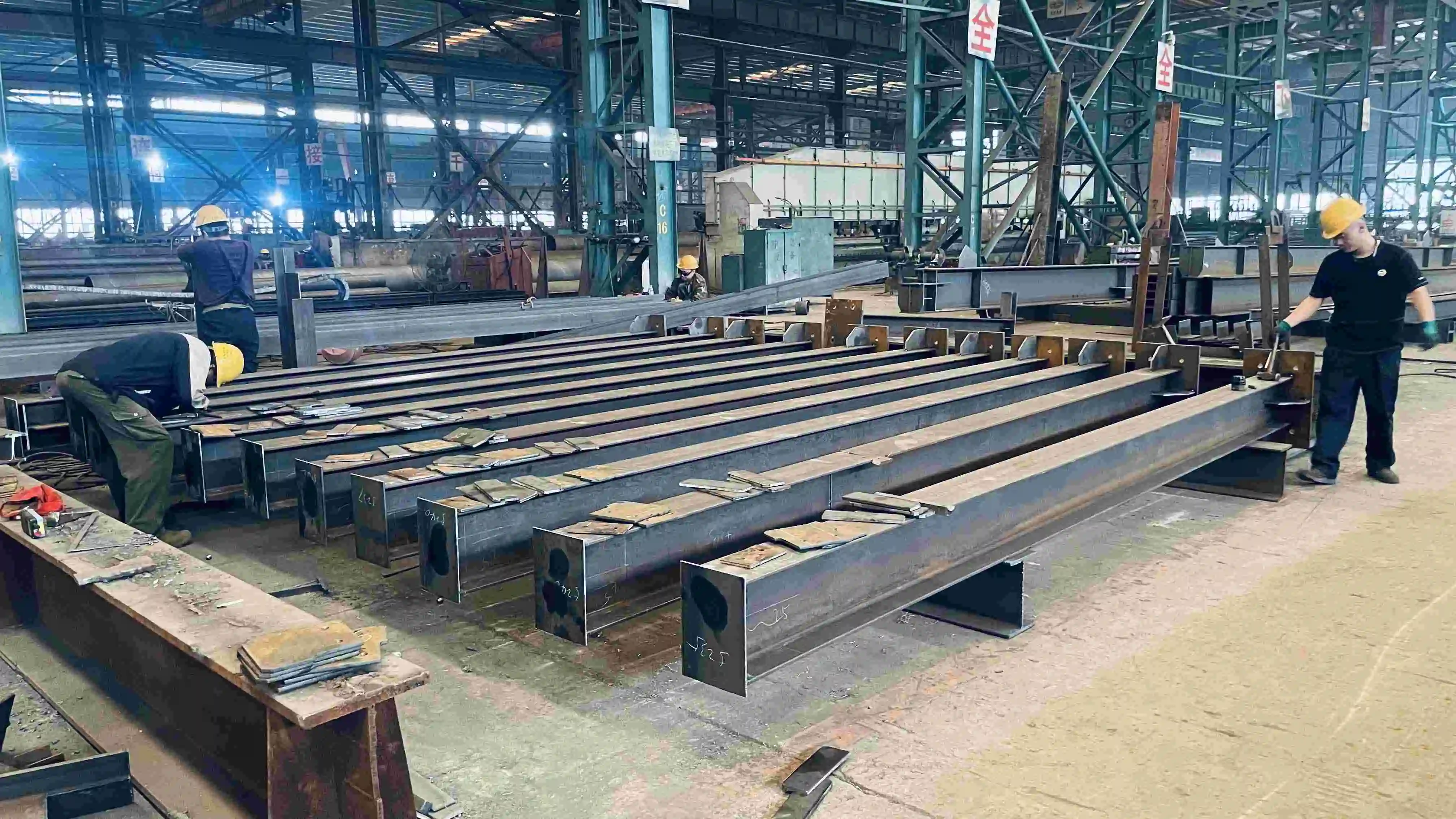
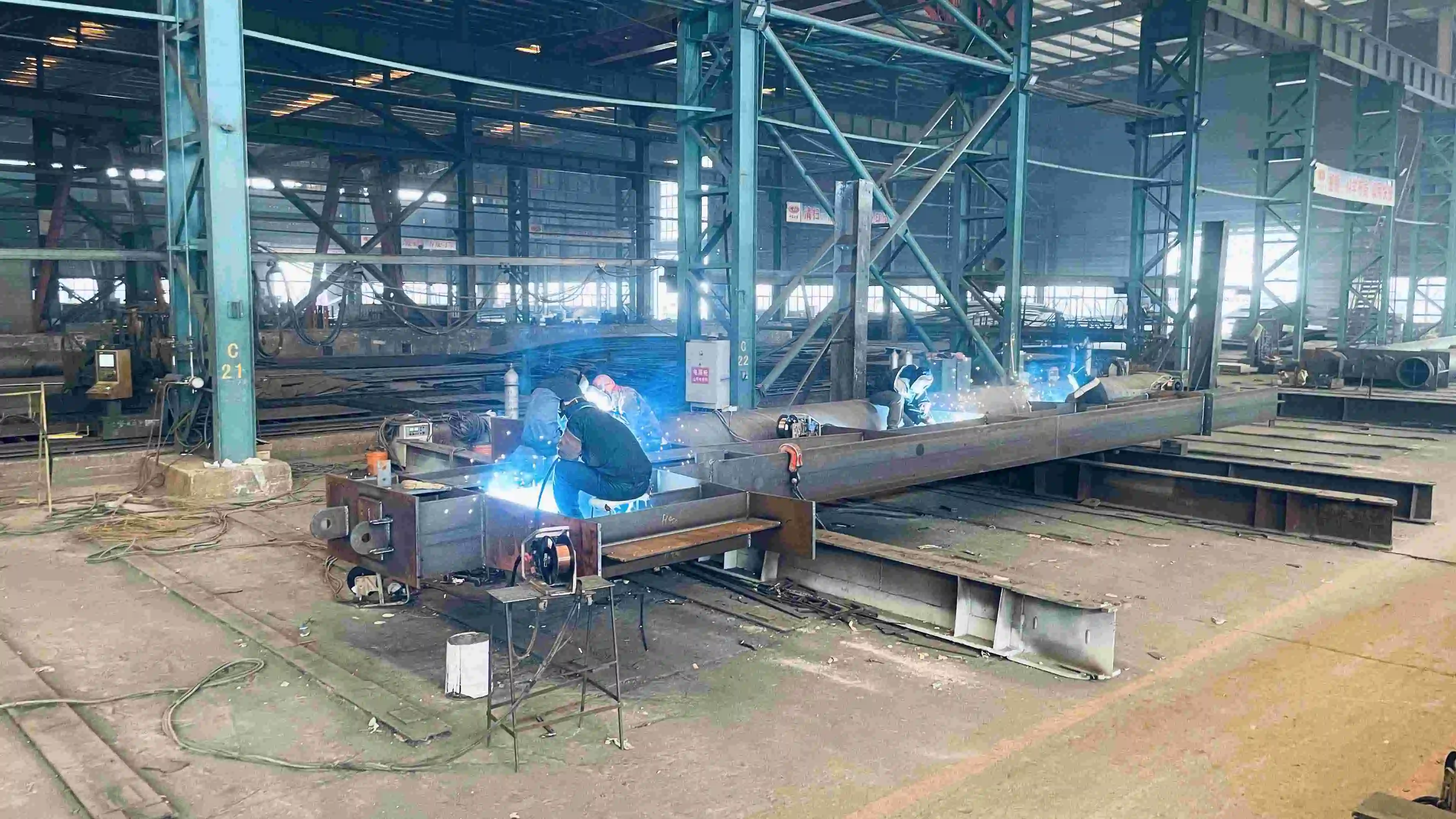
Primary Steel Types and Their Characteristics
To deal with specific building issues, the steel business has come up with a number of specialized grades. For a lot of jobs, carbon steel is still the most important part because it is strong and easy to weld. Alloy steels add elements like chrome and nickel to make certain qualities better. High-tensile steels have great load-bearing ability for tough uses.
Weathering steel is especially interesting because it protects itself. This material forms a steady layer of rust that stops any more rusting from happening. This makes it perfect for use on bridges and other things that are outside. The American Institute of Steel Construction says that weathering steel can cut upkeep costs by up to 50% over the lifetime of a building when compared to painting carbon steel options.
International Standards and Compliance
Choosing infrastructure steel must meet global standards like ASTM, EN, and JIS. These rules make sure that quality and performance are always the same in places all over the world. For example, ASTM A588 weathering steel meets minimum yield strength standards while also being safe from rust in the air.
Performance Properties That Matter
Key performance traits have a direct impact on how well a job goes. Strength tells you how much weight an object can carry, and flexibility tells you how well it can withstand an earthquake. How easy or hard it is to maintain something depends on how resistant it is to corrosion, and how easily it can be welded together affects how quickly it can be made. As environmental rules get tougher, the need to be eco-friendly affects the choice of materials more and more.
Comparing Infrastructure Steel Options: Choosing the Best Material for Your Project
Choosing the right material depends on knowing the differences between kinds of steel and how each one is used. This chart makes it easier to see which choices are best for each type of job.
Infrastructure Steel vs. Structural Steel
Infrastructure steel and structural steel have different uses, despite being frequently used equally. Infrastructure steel usually has better longevity standards that are tailored for civil engineering projects like roads, bridges, and utility frames. Structural steel is mostly used for building construction.
Infrastructure uses need materials that can handle harsh conditions, changing loads, and long service lives. Because of these needs, it's often necessary to use special types that fight rust and wear better than normal building materials.
High-Tensile Steel Benefits and Considerations
High-tensile steels are great at holding up weight and resisting earthquakes. This makes them useful for important building projects. Using these materials, engineers can safely make structures lighter, which might lower the overall cost of a job.
When looking at choices with high tensile strength, cost-benefit research is very important. Even though the cost of materials may be higher, smaller amounts of steel and simpler patterns often make up for the cost of starting out. Earthquake-resistant areas make use of high-tensile steel's better flexibility and energy absorption.
Emerging Technologies and Market Trends
Alloys that are lightweight, don't rust, and keep changing to meet the needs of today's infrastructure. When it comes to structural performance, advanced weathering steels now do a better job of resisting rust in the atmosphere. These new ideas make design work more efficient and lower the need for long-term upkeep.
It's important to find a balance between material quality and buying funds in today's 2025 market. Changes in the supply chain and product prices mean that smart buying methods are needed to keep project deadlines while getting the most money back.
Best Practices for Procurement and Supply Chain Management of Infrastructure Steel
When it comes to getting steel, choosing the right suppliers, making sure quality is high, and coordinating transportation are all very important. These methods make sure that projects succeed while also keeping an eye on costs and risks.
Supplier Selection and Certification
Suppliers you can trust must show you their licenses, be able to make enough product, and be in a location that makes sense for their business. ISO 9001 quality management certification shows that quality is checked in an organized way, but EN 1090 certification is only about standards for making steel.
The manufacturing capacity estimate makes sure that the sellers can meet the project's number needs within the time limits given. Geographic placement affects shipping prices and supply dates, especially for big projects that need a lot of steel.
Inventory Management and Delivery Coordination
To avoid project delays and keep storing costs low, bulk buying plans should be in line with exact shipping times. Just-in-time delivery means that you need trusted suppliers and good shipping arrangements, but it also means that you don't need to store as much product on-site.
When you source goods globally, you have to follow certain rules for importing and exporting, which means you need to closely monitor your supply chain. Customs processes, quality checks, and paperwork make things more complicated, but they also make it possible to work with competitive providers from around the world.
Sustainability and Environmental Compliance
Using approved, environmentally friendly infrastructure steel names makes companies more environmentally friendly and builds trust with customers. As rules get stricter and people want more openness, environmental product statements and recovered content certifications become more and more important.
Looking at how suppliers handle environmental impact, reporting carbon footprints, and checking how easily the product can be recycled at the end of its life are all parts of sustainable buying. These things help people follow the rules and make businesses look like responsible leaders in their field.
Technical Insights: Fabrication, Installation, and Maintenance of Infrastructure Steel
If infrastructure steel is made, installed, and cared for correctly, it will work the way it was meant to for its entire service life. These technical factors have a direct effect on both the project's success and its long-term performance.
Fabrication and Welding Best Practices
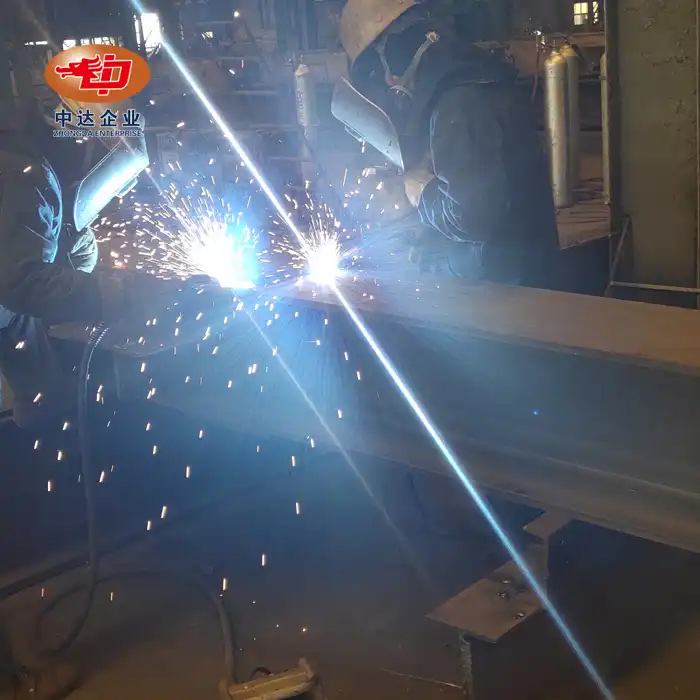
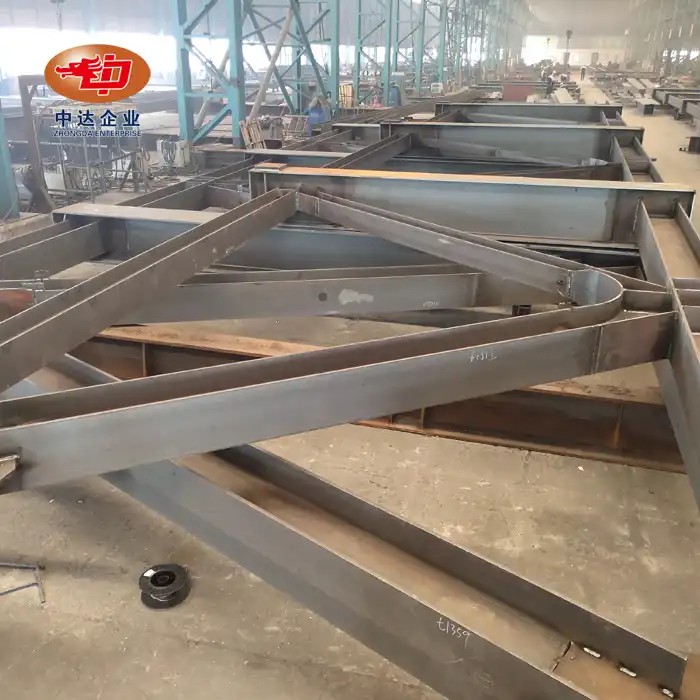
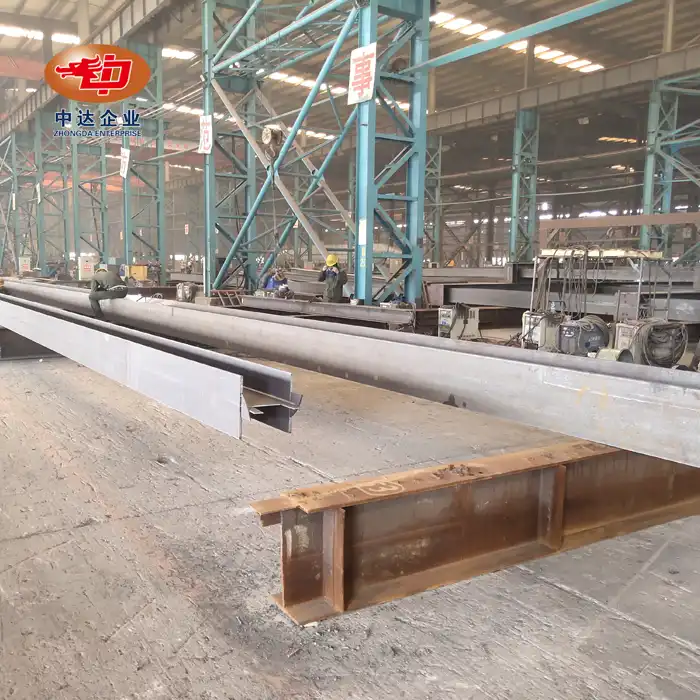
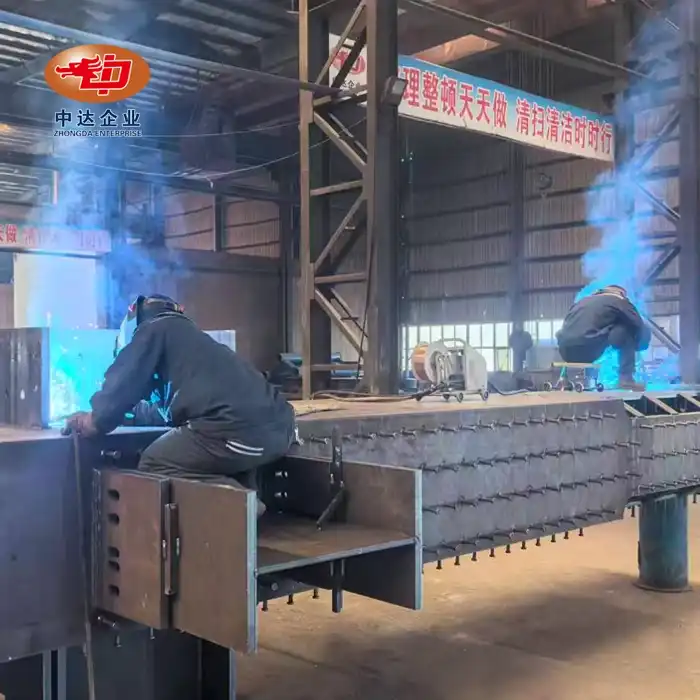
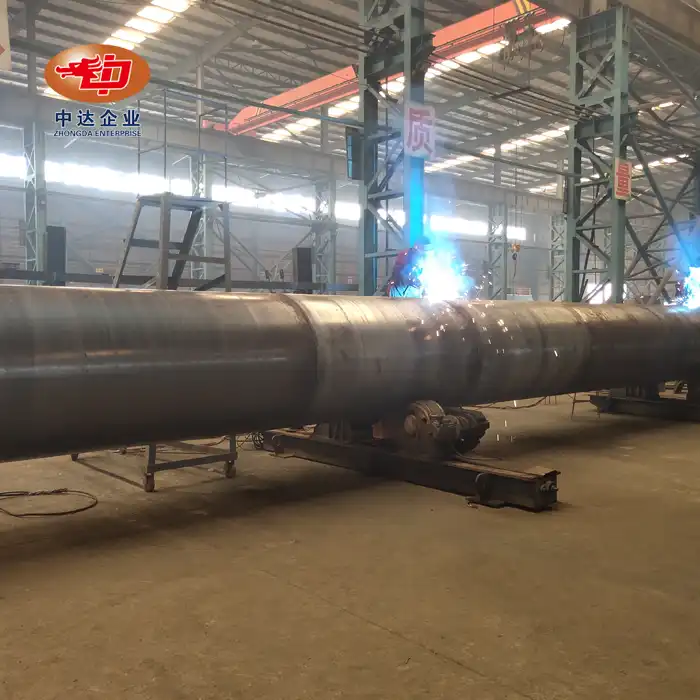
Steel manufacturing requires following well-known best practices and thorough quality testing. Welding must take into account the specific properties of the steel type being used. This can be ensured by careful planning before the weld and checking after the weld.
Material tracking, measurement proof, and non-destructive tests are all parts of quality assurance systems. These steps make sure that the parts made by other companies meet safety and design standards before they are installed.
Corrosion Prevention and Maintenance Strategies
Corrosion protection greatly lengthens the life of infrastructure and lowers the cost of keeping it up. Using weathering steel, cathodic protection, or protective covering methods are all different ways to deal with rust.
Regular inspections and repair find possible problems before they damage the strength of the structure. Condition tracking data helps predictive maintenance programs figure out the best time to step in and help assets last longer.
Compliance with Design Standards
International design standards make sure that things are safe and that they can be approved by the government more easily. AISC guidelines, Eurocode standards, and local building rules set the bare minimum for how materials should behave, how connections should be designed, and how to make sure that quality is maintained.
Third-party inspection and testing for compliance proof give people peace of mind that sites will be able to handle the stresses of use and the difficulties of the environment for decades.
Company Introduction & Product and Service Information
Zhongda Steel has been working on building projects around the world for twenty years. We have been serving the industry since 2004 from our offices in Shenyang Economic-Technological Development Zone. Our processes have been approved worldwide with ISO 9001, ISO 14001, and OHSAS 45001, and they comply with EN 1090. This makes sure that quality and safety standards are always met.
Our modern building covers 120,000 square meters, and we can make 60,000 tons of product a year. We specialize in BIM-driven prefabrication and advanced weathering steel technologies. Our unique weathering steel anti-corrosion technology works great in very cold (-60°C) and other extreme conditions. Plus, our ultra-thick plate cutting keeps the tolerances at ±0.2mm.
By doing a good job on projects with a wide range of uses, we've won the trust of big clients like China Railway, CSCEC, and BMW. We've worked on building bridges in the Arctic in Russia, making mining tools for businesses in Australia, and developing an industry center in Vietnam. These projects show that we are committed to the kind of engineering excellence that has an effect around the world: they show how much we value quality, speed, and innovation.
Conclusion
When choosing the best infrastructure steel for building projects, one must think about performance needs, environmental factors, and total costs. Weathering steel is best for uses where they're exposed to the atmosphere, and high-tensile types are best for tough buildings where load capacity is important. Strategic relationships with suppliers, quality testing procedures, and following foreign rules all help projects succeed. The move toward long-lasting materials and new ways of making things are still changing the business. These changes create new chances to do things better and help the environment. It is still important to use smart purchasing methods that find a balance between the quality of the materials and the needs of the budget in order to get the most value out of a project and make sure that the infrastructure stays reliable in the long run.
FAQs
How is infrastructure steel different from regular construction steel?
Infrastructure steel has improved endurance standards that are meant for civil building projects like roads, bridges, and utility systems. In most cases, these materials better fight rust, wear, and damage from the elements than the normal structure steel used in building construction.
How can buying pros be sure that their steel suppliers are good and reliable?
ISO 9001 and EN 1090 licenses, reviews of manufacturing ability, and reference project evaluations are all ways to check your providers. Request test reports for materials, do checks of the building, and look over quality control systems. Set clear standards for success and keep an eye on how well your suppliers are doing.
In areas where earthquakes are likely to happen, which steel types work best?
Steels that are high-tensile, low-alloy, and more ductile are best for earthquake performance. These materials can absorb more energy and bend without breaking, which is important for resisting earthquakes. For earthquake uses, ASTM A992 and other similar high-strength grades are often chosen because they have a good mix of strength and flexibility.
Partner with Zhongda for Your Infrastructure Steel Requirements
Zhongda is ready to help with your next building project by providing high-quality steel designed for efficiency and stability. Our full-service infrastructure steel source can do custom construction, use advanced weathering steel technologies, and do precise manufacturing that meets the toughest standards.
Our team of experts offers one-on-one advice to help you choose the best materials for your project, whether you're working on business buildings, bridges, or factories. We have the skills and dependability your projects need because we are committed to quality and have a history of serving big foreign clients.
Enjoy the benefits of working with a licensed infrastructure steel producer that uses cutting-edge technology and offers quick service. To talk about your project's needs and get advice on what materials to use, email us at Ava@zd-steels.com.
References
American Institute of Steel Construction. "Steel Construction Manual, 15th Edition." AISC, 2017.
Bjorhovde, Reidar. "Development and Use of High Performance Steel." Journal of Constructional Steel Research, 2018.
Federal Highway Administration. "Weathering Steel for Highway Structures: Design and Construction Guidelines." FHWA Technical Report, 2019.
International Association for Bridge and Structural Engineering. "Use of High Strength Steel in Civil Engineering." IABSE Conference Proceedings, 2020.
National Institute of Standards and Technology. "Seismic Design Guidelines for Steel Structures." NIST Special Publication, 2021.
World Steel Association. "Sustainable Steel: Infrastructure for the Future." WSA Technical Report, 2022.