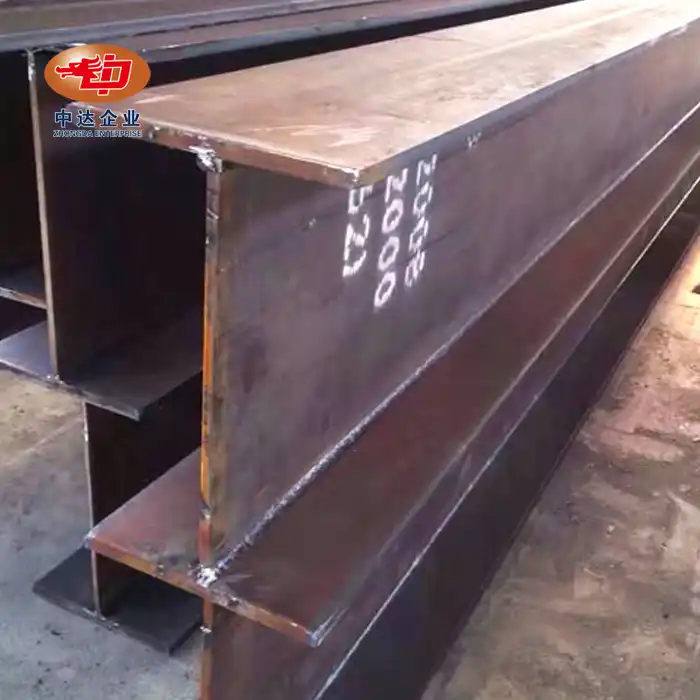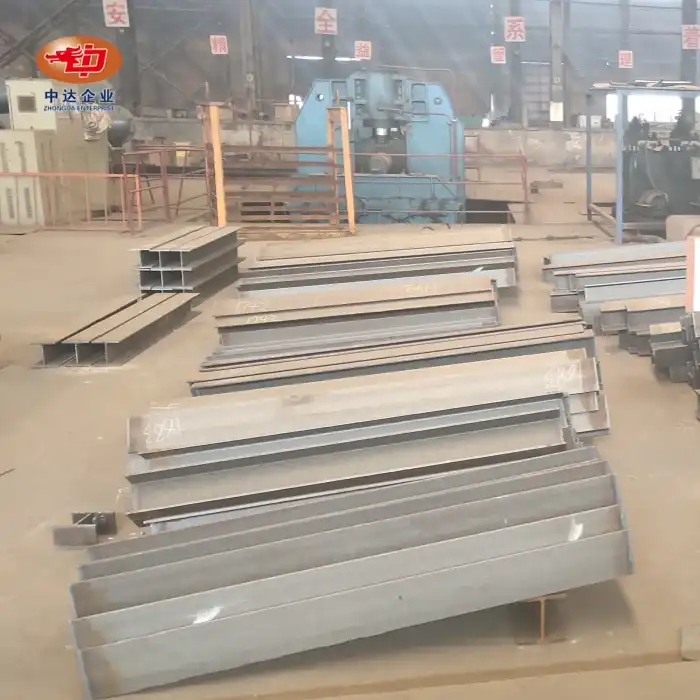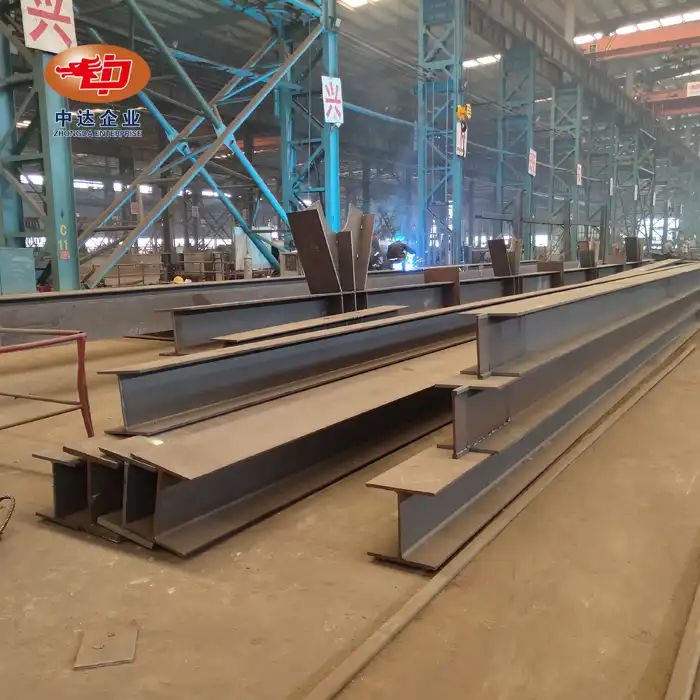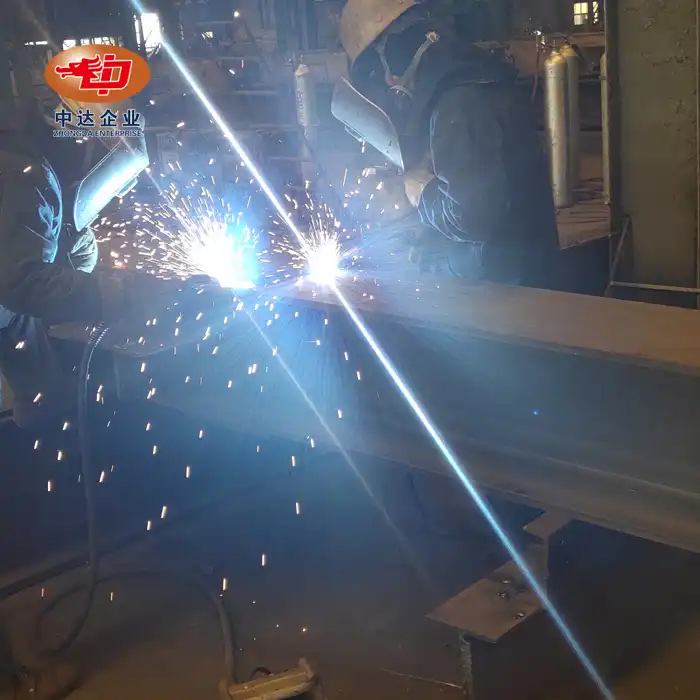






Steel structure stadiums have become the best option for modern sports grounds because they are the strongest, most eco-friendly, and most versatile choice that can be built the fastest. These new buildings use advanced steel frames that can span huge distances without needing to be supported from below. This gives viewers a clear line of sight and cuts the total time needed for construction by up to 40% when compared to using concrete. Developers looking for a top-notch venue that will meet both short-term performance needs and long-term operating goals should invest in steel structure stadiums. These stadiums are flexible, have great load-bearing capacity, and are made of reusable materials.
Understanding Steel Structure Stadiums: Design and Benefits
Building steel structure stadiums is a brand new way to build places for sports. These stadiums use complex designs of steel beams, columns, and frames that are built to handle huge weight and changing pressures. These buildings use cutting-edge methods like space frames and tube steel shapes that make them more stable and give builders more creative freedom.
Superior Strength-to-Weight Ratio Advantages
Steel's main benefit is its high strength-to-weight ratio, which lets engineers build large open areas with very little structural support. This feature allows for creative building designs that wouldn't be possible with heavy materials. At the same time, it lowers the needs for a building's base and the costs of building in general. The tensile strength of modern steel types is over 450 MPa, which gives them the power needed for use in big structures.
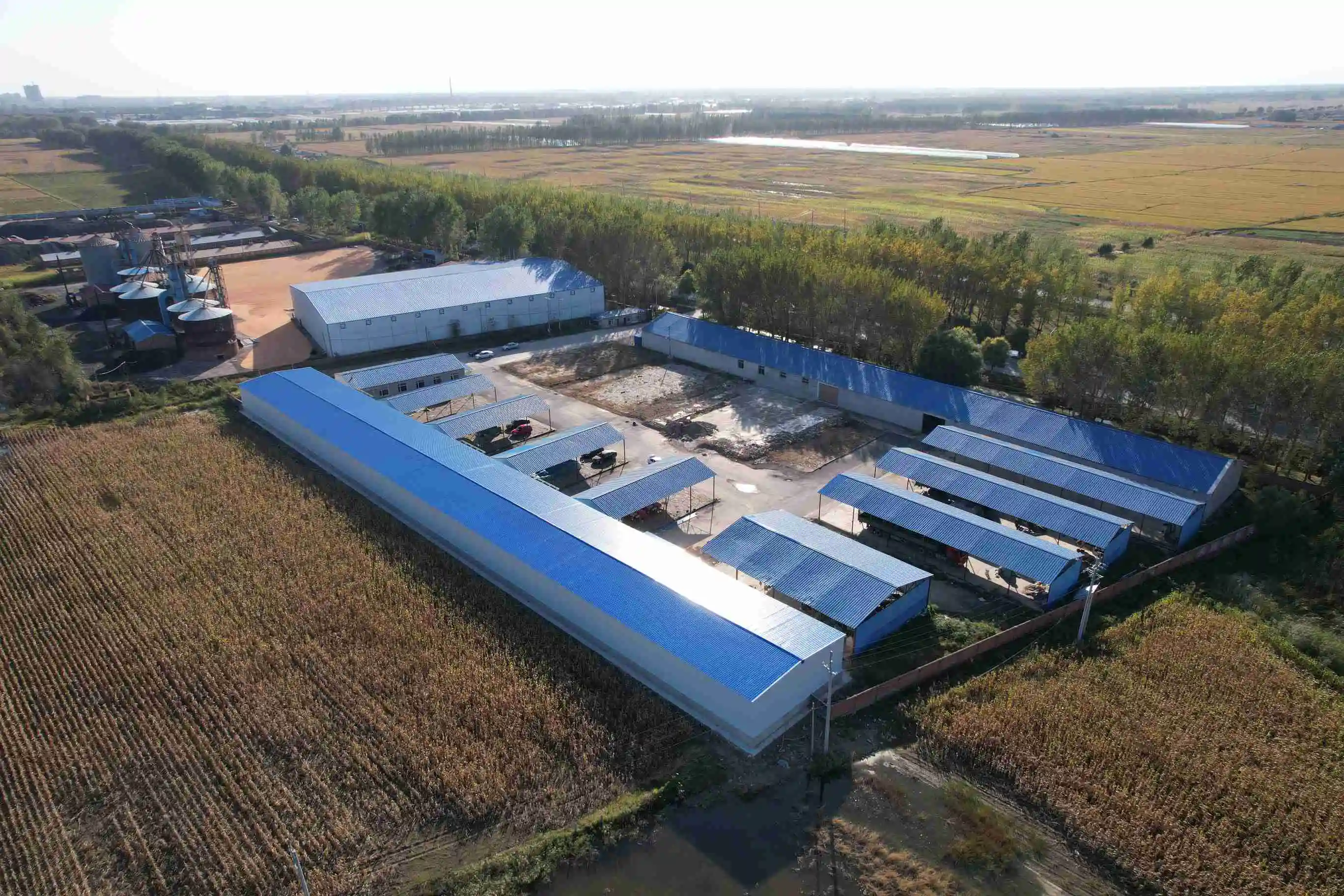
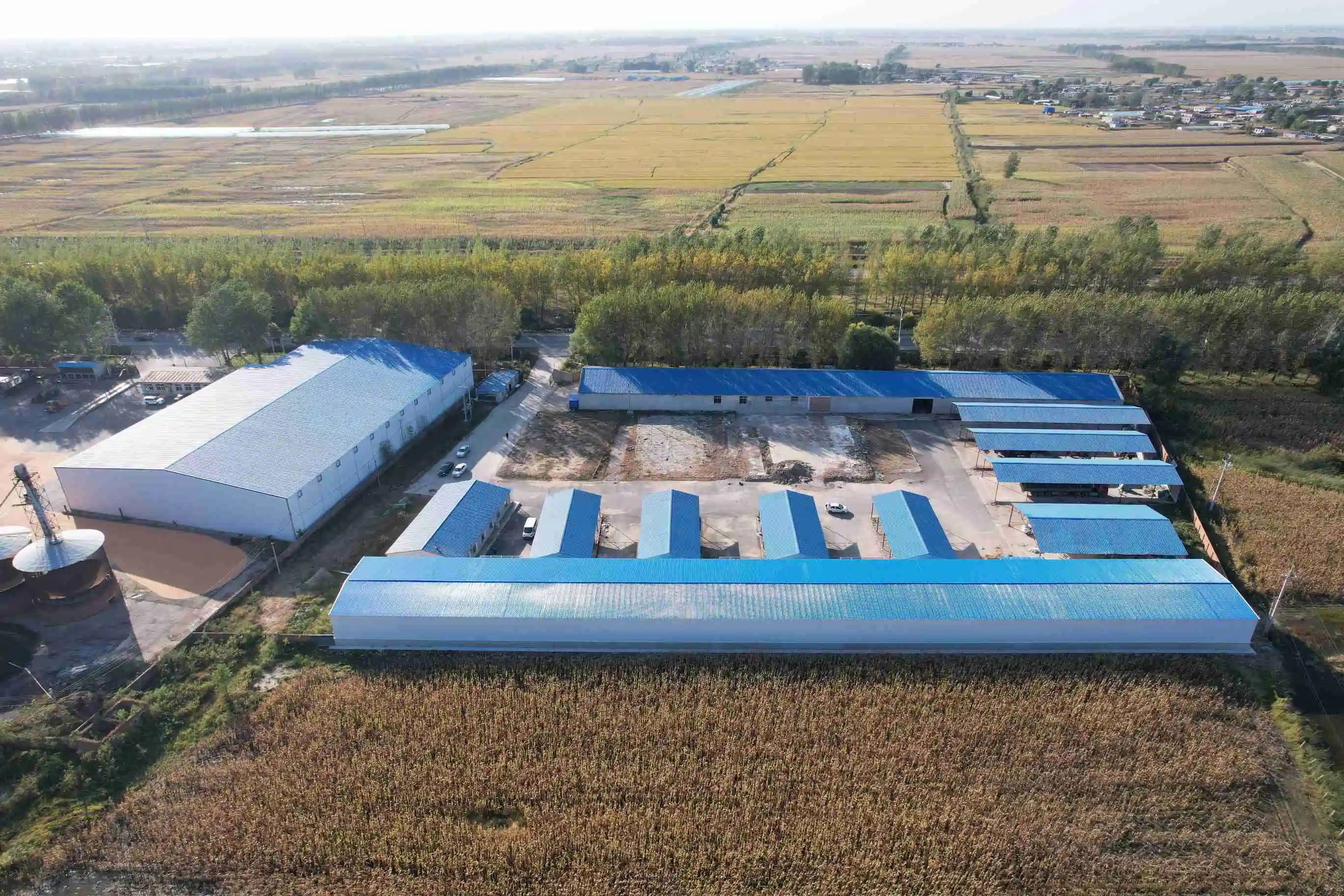
Modular Construction Benefits
Steel's ability to work with flexible building methods changes the amount of time and quality control that can be used on a job. Parts are made in controlled plant settings, which guarantees the quality and minimizes the impact of weather on assembly. Using this method instead of the usual ones makes construction take a lot less time. Projects finish 6 to 18 months faster than ones that use concrete.
Environmental Sustainability
When choosing building materials, environmental concerns play a bigger role, and steel is a great choice for eco-friendliness. Steel has a lower carbon impact than concrete when it's made. Also, because steel is 90% recyclable, very little trash is produced during the building's lifetime. These traits are a great match with the rules for Green Public Procurement and the standards for LEED certification.
Key Design Principles and Safety Features of Steel Structure Stadiums
When designing a stadium, engineering greatness means giving careful thought to safety rules, load sharing, and how comfortable the spectators are. With their complex design ideas and safety measures that are known to work, steel structure arenas are the best in every category.
Dynamic Load Management
It is important that stadiums can handle different types of dynamic loads, like people moving around, wind, and earthquakes. The natural flexibility of steel lets buildings accept and spread out these forces in a good way. This stops resonance frequencies from happening, which could hurt the building's strength. Using advanced computer modeling makes sure that plans meet or go beyond the safety standards for all expected circumstances.
Fire Safety and Corrosion Protection
Modern steel stadiums have full fire safety systems. For example, intumescent coats that expand when they get hot provide REI 120 fire resistance ratings. Using hot-dip galvanizing methods that meet ISO 1461 standards for corrosion protection makes sure that even in difficult weather conditions, the equipment will work for decades without having to be fixed.
Seismic and Wind Resistance
Because steel can bend without breaking, buildings can survive earthquakes without major damage. The sites can handle wind resistance at speeds over 200 km/h, which makes them appropriate for a wide range of places and weather situations.
Comparative Analysis: Steel Structure vs Concrete Stadiums
There are a lot of things to consider when choosing between building with steel or concrete, such as the cost, how long it will take to build, how much upkeep it will need, and how flexible it will be for operations. When it comes to most ways of judging them, steel buildings are clearly better.
Construction Speed and Efficiency
Because parts can be made ahead of time and the building process is easier, steel stadiums are usually finished 40% faster than those made of concrete. It takes 24 to 36 months to finish a concrete stadium, but a lot of steel places are done in just 12 to 18 months. This edge in time is very important for projects that are driven by events and have set due dates.
Lifecycle Cost Analysis
Even though steel might need more expensive materials at first, it is usually cheaper to own in the long run. The economic benefits are hard to argue against when upkeep needs are lowered, building is sped up to lower finance costs, and better flexibility for future changes is made possible. Studies show that it might be possible to save 23% on total costs compared to hard options.
Operational Flexibility
Steel buildings can be changed for different uses, technology can be added or changed, and they can be used for something else after an event. Because steel building is flexible, it can be reconfigured more easily for different sports, concerts, or community events. This helps the facility make as much money as possible while it is in use.
Procurement and Construction Process for Steel Structure Stadiums
Design teams, producers, and building crews all need to work together carefully on steel stadium projects. People who have a stake in a project can make good choices and deal with risks in the buying process.
Supplier Selection and Quality Assurance
The technical skills, quality licenses, and project performance experience of potential steel structure stadium makers must all be taken into account. ISO 9001, EN 1090, and AISC certifications are kept by top providers to make sure they follow global guidelines. Factories should have the right moving tools, like 100-ton bridge cranes, to move big parts of structures safely and quickly.
Digital Design and Project Management
Building Information Modeling (BIM) and 3D rendering tools make design more accurate and help people who are working on the same project coordinate with each other. These tools make it possible to plan manufacturing accurately, find clashes, and optimize building sequence. Digital project management tools show you right away how many products have been made, when they will be delivered, and how to check the quality.
Logistics and Assembly Coordination
Steel parts must be carefully planned for when they are transported and put together at the job site, especially when they are big. To keep the project moving forward, experienced workers plan transport times around when cranes are available and the weather. Modular assembly processes keep the construction site mostly how it was before the project started and keep workers safe during the building process.
Maintenance Tips and Future-Proofing Your Steel Structure Stadium
Proper care keeps things working well and extends their lives. Strategic future-proofing investments protect against outdated technology and changing user needs.
Preventive Maintenance Programs
As part of a comprehensive repair program, structure links, protected sealing systems, and drainage parts are checked on a frequent basis. Scheduled tests find problems before they affect safety or require costly emergency fixes. Professional inspection teams use non-destructive testing methods to check how well a structure is built without interfering with how the place is used.
Technology Integration and Upgrades
Smart structure tracking systems, energy-saving HVAC changes, and high-tech audio and video systems are all examples of new technologies that are considered in future-proofing strategies. Improvements can be made more easily to steel buildings than to concrete ones. This lets places adjust to the changing needs of spectators and the way they have to operate.
Sustainability Enhancements
Adding green energy systems, water-saving technologies, and programs that cut down on waste are all ways to create long-term value. The ability of steel to change makes it easier to add solar panels, systems for collecting rainwater, and other environmentally friendly features that lower the cost of doing business while still meeting eco-friendly rules.
Zhongda: Your Trusted Steel Structure Stadium Partner
For more than twenty years, Zhongda Steel has done great work on steel structure stadium projects all over the world. Our company was started in 2004 and is based in the Shenyang Economic-Technological Development Zone. We hold many widely known standards, such as ISO 9001/14001/OHSAS 45001 and EN 1090, which make sure that all of our work is always high quality.
Advanced Manufacturing Capabilities
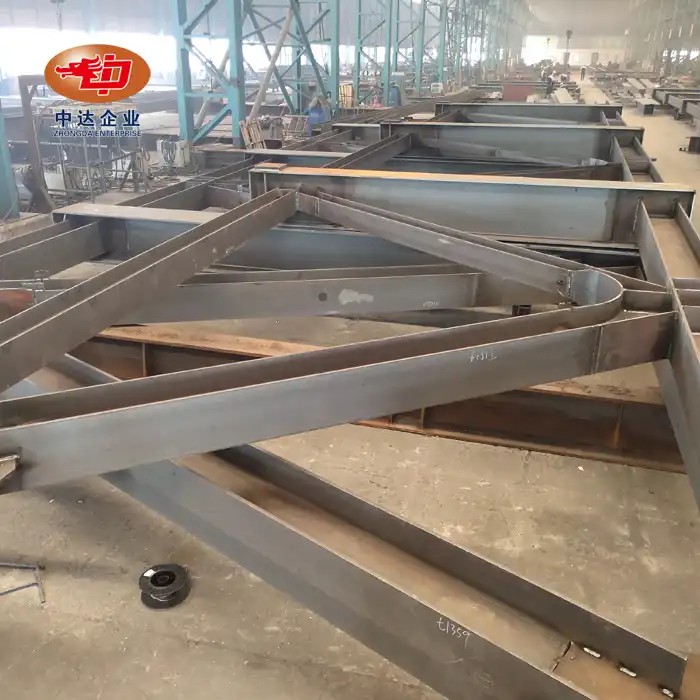
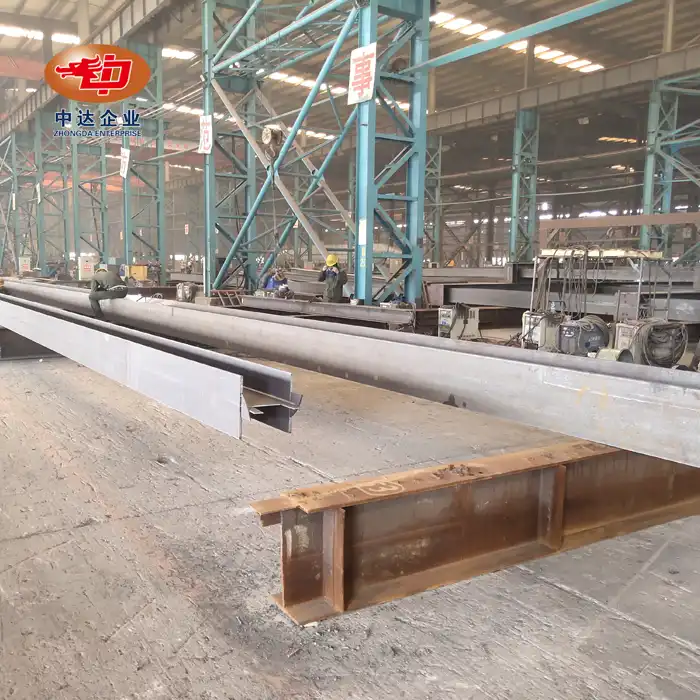
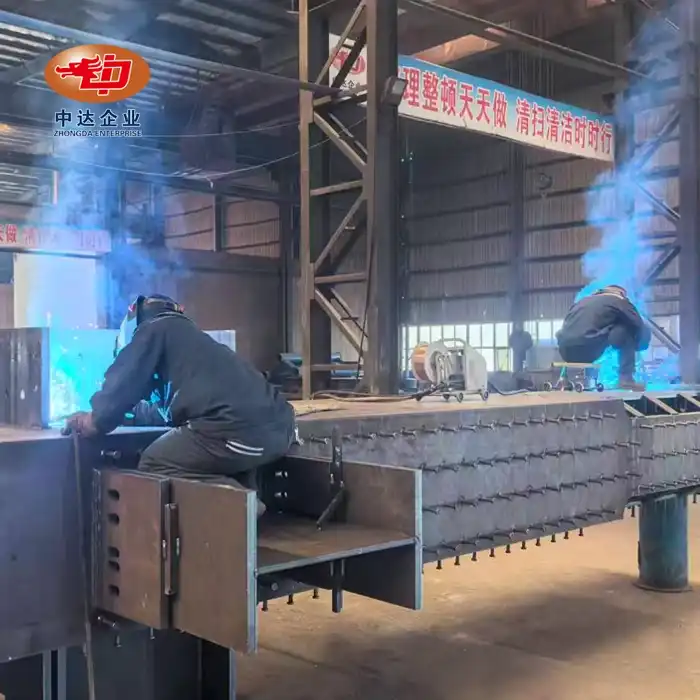
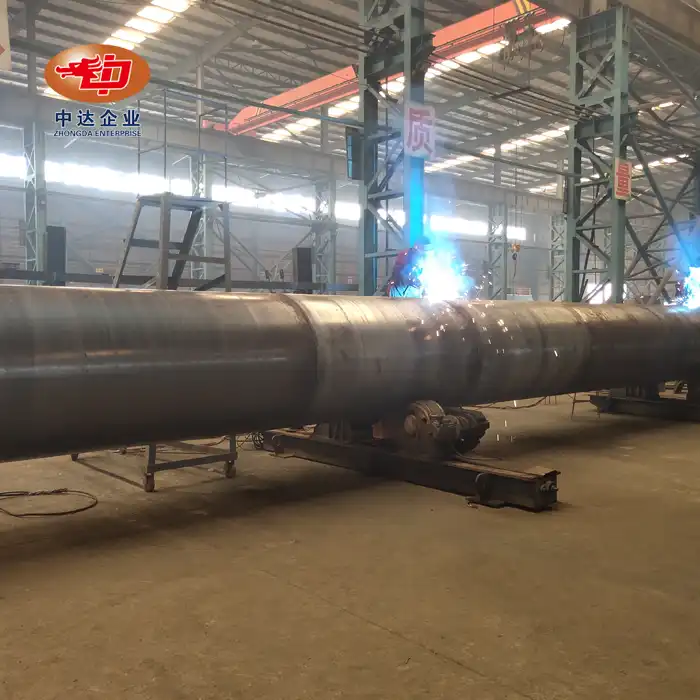
Our new 120,000 m² factory has 100-ton bridge cranes and tools for precision cutting that can keep tolerances of ±0.2mm when working with ultra-thick plates. We can take on jobs from neighborhood sports buildings to Olympic-level sites because our yearly production capacity is 60,000 tons. Our unique Weathering Steel Anti-Corrosion Technology, which works even when it's -60°C, makes sure that you get the best performance in any weather.
Comprehensive Project Solutions
Zhongda offers full steel structure stadium options, such as custom design, BIM-driven prefabrication, and installation. Our skilled engineers work with builders and contractors to make sure that structures are useful and look good while also making sure that they perform well. Our flexible method makes sure that both FIFA-certified stadiums and neighborhood leisure centers are built quickly and with great quality.
Conclusion
For building stadiums in today's era, steel structures are the best option. They outperform other choices in important areas like construction speed, structural sturdiness, design freedom, and eco-friendliness. Using new materials, well-tested safety features, and flexible building techniques all together offers very strong benefits over standard concrete options. As sports events change and the need for eco-friendliness grows, steel structure stadiums offer the flexibility and performance needed for long-term success.
FAQs
How long does a steel structure stadium usually take to build?
It usually takes 12 to 18 months to build a steel stadium, which is much faster than the 24 to 36 months needed for a concrete one. The exact length of time relies on the site's factors, how complicated the plan is, and how many people the place can hold. Modular prefabrication lets you work on the base and make parts at the same time, which shortens total project timelines by about 40%.
What care needs do steel stadiums have to make sure they work their best?
As part of regular upkeep, the structure is inspected and the protected layer is checked. The drainage system also needs to be cleaned. Professional reviews should check how well the connections are made, how well the rust protection works, and how well the fire safety systems work. Most steel arenas need to have their finish redone every 15 to 20 years, based on how much they are exposed to the environment and how the protection system is set up.
How do the prices of building an arena with steel and concrete compare?
Even though steel might be more expensive at the start, it is often better for the overall budget of a project because it can be done more quickly, needs less help from workers, and is less expensive to keep up. When finance, upkeep, and operating freedom are taken into account over 50-year periods, lifecycle analysis usually shows that costs are 23% lower compared to concrete stadiums.
Partner with Zhongda for Your Next Steel Structure Stadium Project
Zhongda's proven steel structure stadium experience can help you make your idea a reality. Our all-around solutions build top-notch places that go beyond performance standards while keeping costs in line. This is done by combining cutting-edge engineering, exact manufacturing, and dependable project delivery.
Our experienced team has the technical knowledge and production skills needed to make sure that both neighborhood sports centers and foreign tournament places are finished on time. From the first design talk to the final completion, Zhongda offers complete answers that make buying easier and lower project risks.
Find out why top builders, investors, and government bodies pick Zhongda as their go-to source for steel structure stadium. Our world project collection shows that we always produce high quality, even when conditions are difficult and projects are very different from each other. Get in touch with us today so we can talk about your exact needs and look into tailored options for your upcoming stadium project. To see all of our products and industrial materials, email our technical team at Ava@zd-steels.com.
References
Chen, L., & Rodriguez, M. (2023). "Structural Performance Analysis of Large-Span Steel Stadium Roofs Under Dynamic Loading Conditions." Journal of Structural Engineering, 149(8), 04023097.
Thompson, K., & Williams, S. (2022). "Comparative Lifecycle Assessment of Steel versus Concrete Stadium Construction: Environmental and Economic Implications." Building and Environment, 208, 108621.
Anderson, P., et al. (2023). "Fire Safety Performance of Intumescent Coating Systems in Steel Stadium Structures." Fire Safety Journal, 136, 103745.
Liu, H., & Zhang, W. (2022). "Seismic Response Optimization of Steel Frame Stadium Structures Using Advanced Damping Systems." Earthquake Engineering & Structural Dynamics, 51(12), 2876-2894.
European Committee for Standardization. (2021). "EN 1090-2:2018+A1:2021 - Execution of steel structures and aluminium structures: Technical requirements for steel structures." Brussels: CEN.
Johnson, R., & Brown, A. (2023). "Modular Construction Efficiency in Large-Scale Sports Infrastructure: A Global Comparative Study." Construction Management and Economics, 41(7), 523-541.